
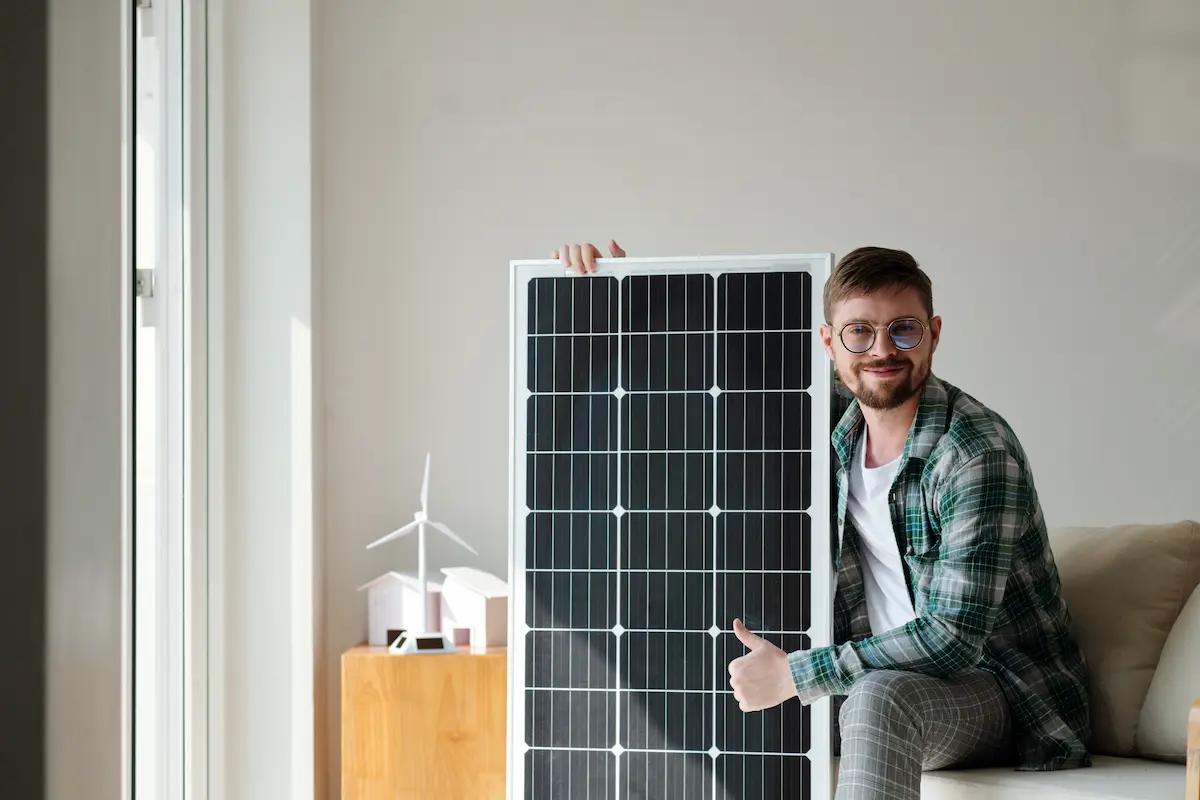
Have you decided to install solar panels for self consumption? Great. The next step is to legalise your solar panel installation so everything works properly: access export compensation, comply with regulations and avoid future issues.
In this guide, we explain how to legalise a photovoltaic installation step by step, including the documents you need, who must be notified, how much it costs, how long it takes and what happens if you skip the process.
Legalising Your Photovoltaic Installation in 5 Steps
Legalising your solar installation allows you to register your self consumption system, activate surplus compensation if applicable and prove compliance with electrical regulations.
Although there may be small variations depending on the region and electricity distributor, the process generally follows these five steps.
1. Initial Study and Technical Design
The first step is preparing a technical design that justifies the installation. This stage includes several key decisions:
- Consumption analysis: review your hourly and seasonal consumption patterns to determine the optimal system size and whether surplus compensation is worthwhile.
- Site feasibility assessment: evaluate roof orientation, tilt angle, shading, structure type, fixing points and waterproofing.
- System sizing and equipment selection: determine peak power (kWp), inverter compatibility, DC and AC protections, cable sizing, earthing, isolation switches and labelling.
- Technical report or project: for typical residential systems, a technical report is usually sufficient. Larger systems may require a signed engineering project.
- With or without surplus export:
- With export, surplus electricity can be compensated on your bill. This requires notifying the distributor and formalising a compensation contract with your supplier.
- Without export, a zero export system is installed to prevent energy injection into the grid. The procedure is usually simpler, but you cannot receive compensation.
Your installer normally prepares this documentation. Make sure you receive a copy of the technical report and single line diagram, as these are essential for legalisation.
2. Obtaining Permits
For residential projects, legalising solar panels typically requires:
- Building permit or declaration of responsibility: most councils accept a simplified procedure for rooftop installations. Some municipalities offer property tax reductions for renewable energy systems.
- Notification to the electricity distributor: depending on system size and export type, certain technical information may be required.
Additional permits may apply in special cases, such as shared buildings, protected heritage properties or specific environmental conditions. It is advisable to request written confirmation of requirements from your local authority and electricity distributor to avoid delays.
3. Installation
The installation must be carried out by a certified professional. Once permits are in place, the system can be installed:
- Structure and panel mounting using approved fixings and proper waterproofing
- Electrical wiring and protections including DC and AC protections, circuit breakers and earthing
- Inverter installation and monitoring configuration
- Testing of voltages, insulation, grounding continuity and energy flow direction
Proper documentation and material certificates should be provided upon completion.
4. Electrical Installation Certificate
Without the Electrical Installation Certificate, your installation cannot be registered with the authorities.
The key documents include:
- Electrical Installation Certificate, issued by an authorised installer, confirming compliance with low voltage electrical regulations
- Technical report or approved project, depending on system size
- Commissioning certificate, if required
This certificate is essential to officially legalise your photovoltaic installation.
5. Administrative Registration and Grid Connection
Once the certificate is issued, the installation must be registered with the regional industry authority.
After registration:
- The distributor is notified
- For surplus systems, the energy supplier activates the compensation contract
- The electricity meter is configured for bidirectional measurement
Once administrative approval and meter configuration are complete, your solar panel installation is fully legalised.
How to Legalise an Already Installed Solar System
If your panels are already operating but were never registered, you should legalise your photovoltaic installation as soon as possible.
The process typically includes:
- Technical inspection by a certified installer
- Correction of any non compliant elements
- Preparation of technical documentation and certificate
- Registration with the relevant authority
- Distributor notification and meter configuration
Although retroactive legalisation may cost slightly more due to required corrections, it ensures compliance, enables surplus compensation and avoids potential insurance or regulatory issues.
Key Considerations When Legalising Solar Panels
You must decide whether to install with or without surplus export. With export, you can receive financial compensation for excess energy. Without export, a zero injection system avoids feeding electricity into the grid but eliminates compensation.
Installations exceeding certain power thresholds or non residential systems may require additional technical projects or inspections. Registration with the industry authority is essential. Without it, your system has no official status, and insurance coverage or guarantees may be affected. The Electrical Installation Certificate is the core document that enables registration, distributor approval and surplus compensation.
How Much Does It Cost to Legalise Solar Panels?
Costs vary depending on system size, municipality and whether documentation is included in the installation contract.
For a typical residential property:
- Technical report: approximately 100 to 300 euros
- Electrical Installation Certificate: 100 to 250 euros if not included
- Municipal fees: depend on local authority
- Administrative management: 100 to 300 euros if not included
- Corrections for previously installed systems: 100 to 600 euros depending on required upgrades
In total, legalising solar panels typically ranges between 200 and 1,500 euros, excluding equipment and installation costs.
How Long Does It Take?
From installation to seeing surplus compensation reflected on your bill, the process usually takes between one and three months. More complex systems may take up to five months depending on regional procedures and distributor timelines.
What Happens If You Do Not Legalise Your Solar Panels?
Failing to legalise your photovoltaic installation can lead to several issues:
- No access to surplus compensation
- Insurance risks in case of fire or damage
- Potential administrative penalties
- Complications when selling or renting your property
- Invalid manufacturer or installer warranties
- Electrical safety risks due to non compliance
Electrical regulations exist to prevent fire hazards and electrical accidents. Compliance is not just bureaucracy, it is essential for safety and long term peace of mind.
Legalising your solar panel installation is a necessary step to ensure safety, financial return and regulatory compliance. Taking the time to complete the process correctly guarantees that your renewable energy investment delivers its full value.


