
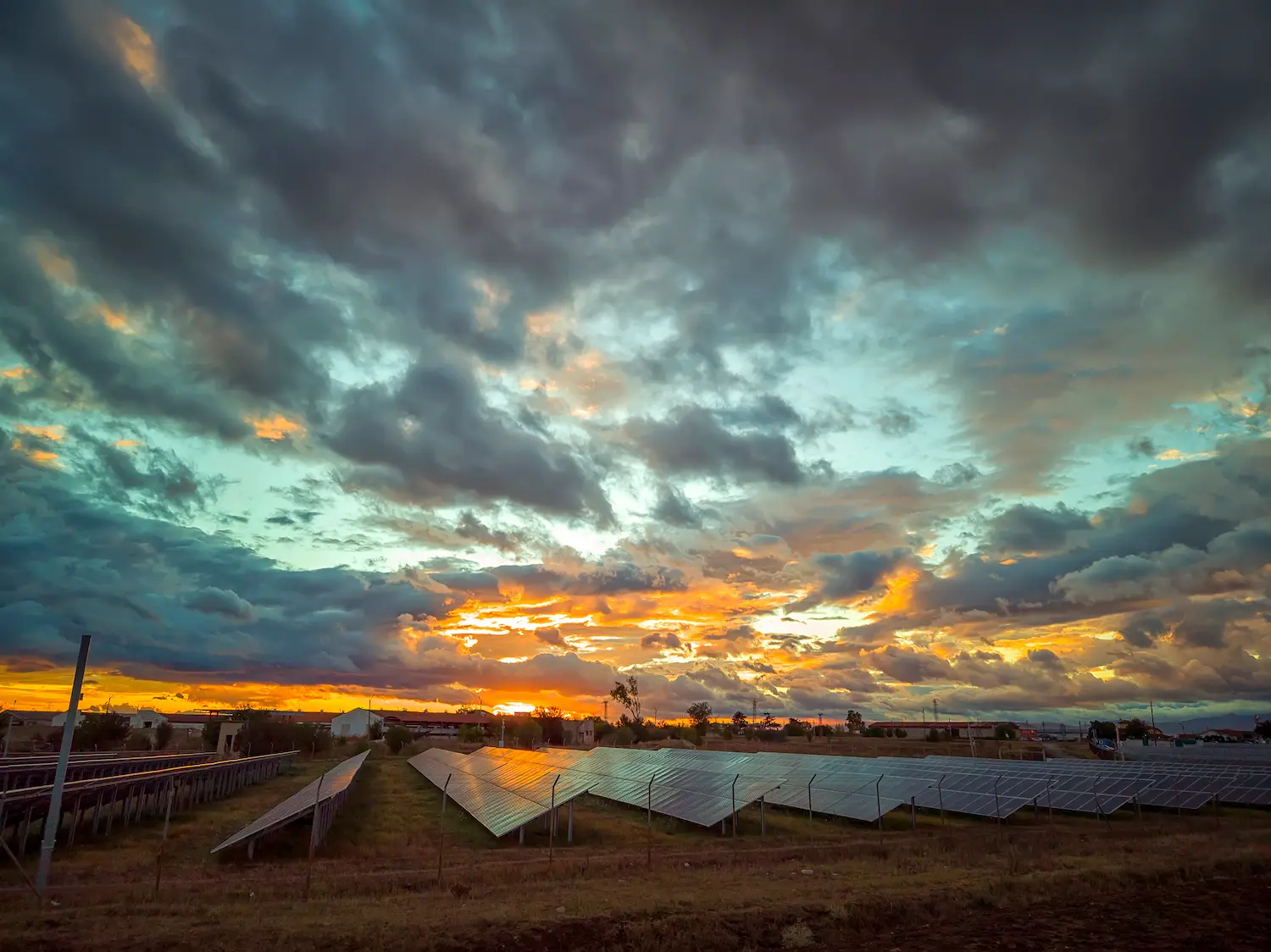
Solar energy has proven to be a sustainable and efficient solution even in less than favorable weather conditions. While many people believe that solar panels are only effective under bright sunshine, the reality is different: solar panels also work on cloudy days. Below, we explore how this technological magic happens and what you can expect from your solar system on days of bad weather.
What happens to solar energy on cloudy days?
Although solar panels’ efficiency decreases in cloudy conditions, they still generate electricity because they don’t need direct sunlight, but rather diffuse or ambient light. Clouds don’t completely block the sun’s rays; some radiation passes through the clouds and reaches the solar panels.
Daylight, not just sunlight
Solar panels capture energy from different wavelengths, including those that can penetrate through thick clouds. This means that as long as there is enough light to cast a shadow, your panels will still generate electricity, albeit at a reduced capacity.
Factors that affect energy production on cloudy days
- Cloud density: The thicker the cloud cover, the lower the energy output.
- Solar panel technology: Some solar panels are designed to perform better in low-light conditions.
- Cloud edge effect: On partially cloudy days, when the sun briefly appears between the clouds, radiation can be intensified and electricity output can increase. This phenomenon can even exceed the output of a completely clear day.
Benefits of solar panels in bad weather conditions
Even if bad weather is not ideal, there are advantages that you may not have considered:
- Long-term efficiency: Rain cleans solar panels, removing accumulated dust and dirt that could reduce their performance.
- Capacity to generate energy: Even on rainy or cloudy days, solar panels can produce between 10% and 25% of their usual capacity.
- Reduced energy costs: Even if production is lower, you will still save on your electric bill by consuming less energy from the grid.
How to optimize your solar system for cloudy days?
To maximize the efficiency of your solar panels even in adverse weather conditions, consider these recommendations:
- Choose solar panels with a capacity of 10% to 25% of their usual capacity. High quality: Opt for models designed for low-light conditions.
- Install a battery storage system: This will allow you to store excess energy generated during sunny days and use it when production is lower.
- Regular maintenance: Keep your solar panels clean to ensure they perform at their best.
What happens to solar energy at night?
At night, solar panels do not generate electricity due to the lack of sunlight. However, you can still take advantage of solar energy by:
- Solar batteries: These allow you to store excess energy generated during the day for use at night.
- Grid connection: If you are connected to the grid, you can consume energy from it during times of low production and compensate with the excess produced during the day thanks to the net metering system.
Frequently asked questions about solar energy and cloudy days?
How much do solar panels produce on cloudy days?
It depends on the density of the clouds, but in general they generate between 10% and 25% of their maximum capacity.
Is it profitable to install solar panels in areas with bad weather?
Yes, even in areas with variable weather, solar panels are a profitable long-term investment, especially if they are complemented by a storage system.
How does rain affect solar panels?
Rain is not only not damaging them, it helps with the cleaning, improving their efficiency.


