
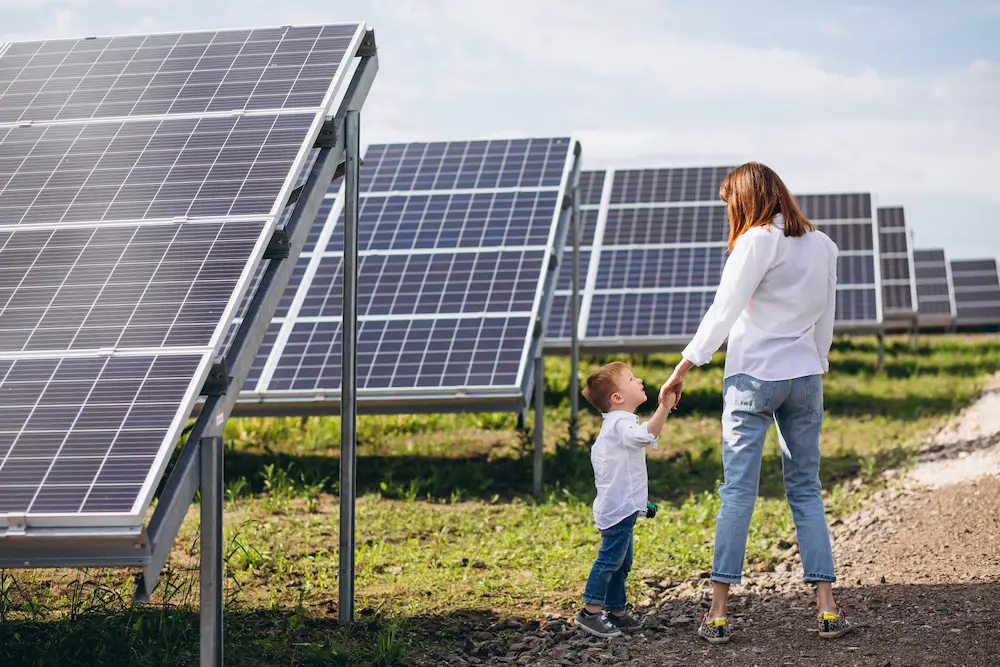
Hot spots are one of the most important problems that can appear in a photovoltaic installation. Although they sometimes go unnoticed at first glance, they can affect the performance, service life and safety of the panels.
When we talk about hot spots in solar panels, we are referring to specific areas of the panel that reach a higher temperature than the rest of the module. This happens because one cell, or a group of cells, stops working properly and begins to behave like a resistor. Instead of generating energy efficiently, it accumulates heat. That is why understanding what hot spots are, why they appear and how to avoid them is essential for anyone interested in solar energy, whether at domestic, industrial or professional level.
What hot spots in solar panels are
Hot spots are localized overheating points inside a solar panel. They appear when one part of the photovoltaic module produces less electricity than the others, creating an electrical imbalance. Solar panels are made up of cells connected to each other and, if one of them receives less radiation, is damaged or does not conduct current properly, it can block the normal operation of the whole system. At that moment, the energy that should be converted into electricity turns into heat.
This phenomenon can have different levels of severity. In some cases it only causes a small loss of performance. In others, it can generate visible damage to the panel, such as dark marks, discolouration, material degradation or even the risk of electrical failure.
Not all hot spots are easy to see. In fact, they are often only detected using thermal imaging cameras or technical inspections. That is why prevention and maintenance are key to avoiding bigger problems.
Causes of hot spots
Hot spots in solar panels can have different causes. Some are related to the surroundings, others to the installation and others to defects in the module itself. Usually, the problem does not come from a single factor, but from a combination of small issues that continue over time.
Partial shading on the panel
Partial shading is one of the most common causes of hot spots. It can come from trees, chimneys, aerials, nearby buildings, posts, cables or even from other rows of poorly arranged panels. The important thing is to understand that the whole panel does not need to be in shade. Sometimes it is enough for a small part to be covered for one cell to work worse than the others. That imbalance can cause the affected area to heat up.
That is why, before installing solar panels, it is advisable to carefully study the orientation, inclination and shadows that occur throughout the day and the year.
Accumulated dirt
Dirt can also cause hot spots in solar panels. Dust, leaves, mud, pollen or bird droppings can prevent light from properly reaching a specific area of the panel. A light layer of dust spread across the whole module is not the same as a localised stain over a few cells. In the second case, the risk of a hot spot is greater, because that part of the panel works in worse conditions than the rest.
This is one of the reasons why periodic cleaning of solar panels should not be seen as secondary, since a clean panel not only produces more, it also reduces the risk of faults.
Microcracks in solar cells
Microcracks are small cracks in photovoltaic cells. They can appear during transport, installation, from impacts, from stepping on the panels or from mechanical stress caused by wind, hail or temperature changes.
The problem is that many microcracks cannot be seen with the naked eye. The panel may look correct from the outside, but part of the cell may have lost its ability to conduct current. Over time, that area can heat up and end up creating a hot spot. That is why it is so important for the installation to be carried out by professionals and for the modules to be handled correctly.
Manufacturing defects or poor module quality
Although today’s solar panels usually undergo quality controls, not all modules offer the same level of reliability. A poor quality panel may have defective soldering, weak internal connections or poorly matched cells.
These defects can favour the appearance of hot spots over time. In photovoltaic installations, choosing panels based only on price can end up being expensive if the quality of the module is not suitable.
Failures in bypass diodes
Bypass diodes help protect the panel when part of the module is shaded or produces less energy. Their function is to allow current to flow through an alternative route and reduce the impact of the problem, but if they fail, the affected area may suffer greater electrical and thermal stress, increasing the risk of overheating and worsening the appearance of hot spots.
Risks of hot spots
Hot spots are not only a matter of performance. If they are not corrected, they can affect the entire photovoltaic installation.
The main risks are:
- Loss of energy production: the affected panel generates less electricity and may reduce the performance of the entire string.
- Accelerated degradation: excess temperature damages the internal materials of the module.
- Visible damage to the panel: marks, burns, discolouration or deterioration of the encapsulation may appear.
- Shorter service life: a panel subjected to continuous overheating ages sooner.
- Electrical risk: in serious cases, heat can contribute to insulation failures, electric arcs or safety problems.
In a domestic installation, a hot spot can mean less saving on the electricity bill. In a large photovoltaic plant, the loss can be much more significant, especially if the problem affects several modules. That is why hot spots must be detected and solved as soon as possible.
How to detect hot spots
Detecting hot spots in time makes it possible to avoid more serious breakdowns. Some signs can be seen with the naked eye, but in many cases a technical inspection is necessary.
A first sign may be a drop in production without a clear cause. If the system generates less energy than expected and there are no major changes in radiation, cleaning or the inverter, the panels should be checked.
Visual inspection
A visual inspection can help identify obvious problems, for example:
- dark marks
- damaged glass
- accumulated dirt
- discoloured areas
- burn marks
- deteriorated cables or connectors.
Even so, a panel may have a hot spot and show no external damage. That is why visual inspection is useful, but not always sufficient.
Thermography with an infrared camera
Thermography is one of the most effective ways to detect hot spots. Using a thermal camera, it is possible to see temperature differences between one area of the panel and another. If a cell or a section of the module appears much hotter than the rest, there may be a hot spot. This technique is widely used in professional maintenance, both in residential installations and in larger solar plants.
In large projects, drones with thermal cameras can even be used to inspect many panels in a short time.
Electrical performance review
Another way to detect hot spots is to analyse the electrical performance of the installation. If a panel, a string or a specific area produces less energy than similar ones, there may be a problem.
Systems with optimisers or microinverters make this analysis easier, because they allow the behaviour of each module to be seen. In simpler installations, specific electrical tests may be needed to locate the fault.
How to avoid hot spots in solar panels
The best way to deal with hot spots is to prevent them from appearing. To do this, it is necessary to combine a good installation, quality components and periodic maintenance.
Design the installation properly from the beginning
Before installing solar panels, it is necessary to analyse shading, roof orientation, inclination, nearby obstacles and the layout of the modules. A properly designed installation reduces the risk of shade always affecting the same area of the panel. It also helps improve the overall production of the system.
It is not just about placing as many panels as possible. It is about placing them efficiently and safely.
Keep the panels clean
Cleaning is a simple but very important measure. The accumulation of dust, leaves or droppings can reduce production and favour the appearance of hot spots.
The frequency of cleaning will depend on the location. An installation in an urban area with frequent rain is not the same as an installation in an agricultural, dry environment or one with many birds.
It is advisable to check the panels periodically and clean them using suitable methods, avoiding aggressive products or tools that could scratch the glass.
Choose quality solar panels
Using modules from reliable manufacturers helps reduce the risk of internal defects. A good panel should have clear guarantees, certifications and resistant materials.
It is also important that the rest of the installation components are suitable: inverters, connectors, structures, protections and wiring. A photovoltaic system works as a whole, and any weak point can affect performance.
Carry out preventive maintenance
Preventive maintenance makes it possible to detect small problems before they become serious faults. Ideally, visual inspections, production analysis and, when necessary, thermographic inspections should be combined.
In domestic installations, a periodic inspection may be enough. In industrial installations or solar plants, maintenance must be more planned, as a small loss of performance can have a significant economic impact.
Act quickly if there is any anomaly
If there is a drop in production, a strange mark or a damaged area on a panel, it is advisable to check the installation as soon as possible, since waiting too long can cause the damage to progress and the repair to become more expensive.
Hot spots usually start as a localised problem, but they can end up affecting the overall performance of the system.
Conclusion on hot spots
Hot spots or hot spots in solar panels are overheating areas that appear when part of the panel does not work correctly. They can be caused by shading, dirt, microcracks, internal defects, failures in bypass diodes or poor installation design.
Although at first they may go unnoticed, hot spots can reduce electrical production, accelerate panel degradation and create safety risks if they are not corrected in time.
The good news is that many problems can be prevented. A properly designed installation, quality panels, suitable cleaning and periodic maintenance are the best tools to avoid hot spots in solar panels and extend the service life of the photovoltaic system. In solar energy, taking care of small details makes all the difference. And detecting a hot spot in time can prevent losses, faults and bigger problems in the future.


