
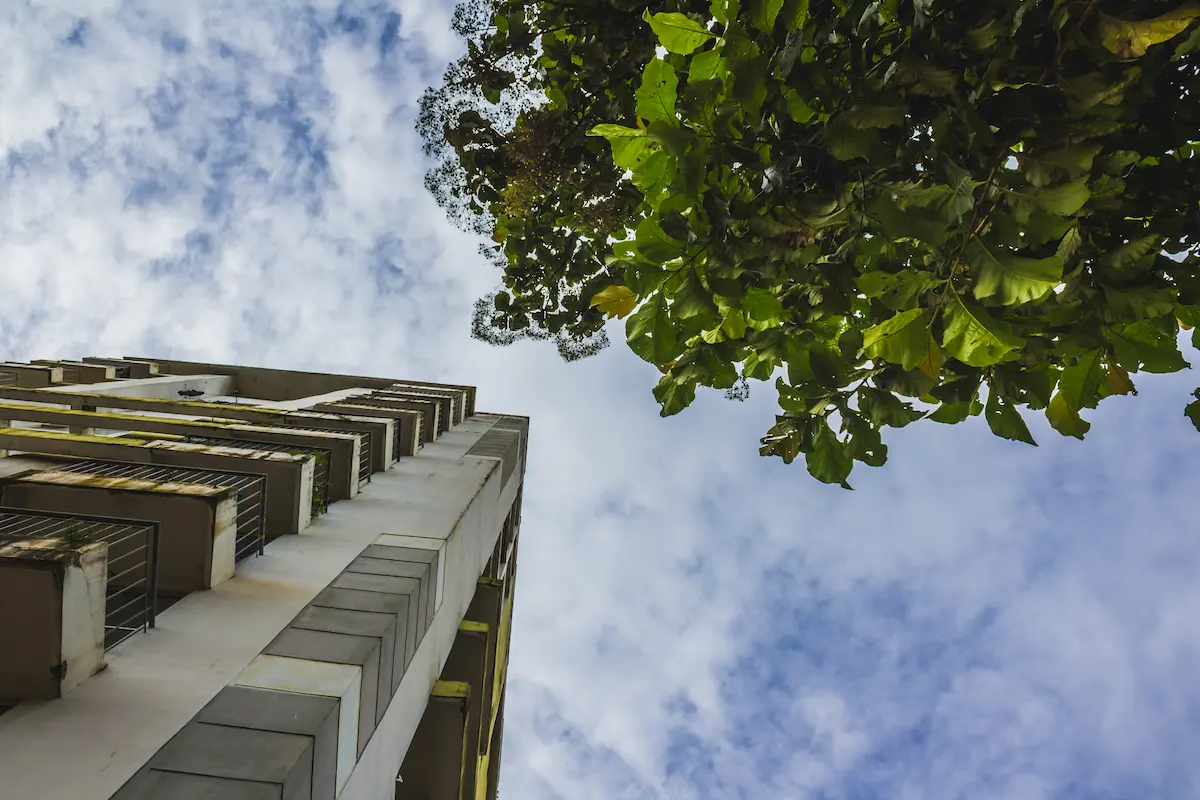
More and more cities are choosing to build responsibly, combining design, energy efficiency and respect for the environment. Green buildings, which you may also know as sustainable or eco friendly buildings, are transforming the way we live, work and care for the planet.
But what does it really mean for a building to be green? What makes it different from a conventional one? We are going to tell you everything, with real examples, so let us get into it.
What are green buildings?
A green building is one that is designed, built and managed to minimise its environmental impact throughout its entire life cycle, from the choice of materials to its demolition or reuse. The idea is simple: to make use of natural resources such as light, wind, water and vegetation, along with modern technologies, to reduce the consumption of energy, water and materials without sacrificing wellbeing or functionality.
These buildings do not only aim to be efficient, but also to generate a positive impact: to improve air quality, integrate green spaces, reduce CO₂ emissions and, in many cases, even produce more energy than they consume. In fact, LEED certification, which stands for Leadership in Energy and Environmental Design, and BREEAM have become international benchmark labels for assessing the level of sustainability of a building.
Energy efficiency with solar panels and natural ventilation
The first feature of a green building is its energy efficiency. This means that it uses less energy to provide the same level of comfort as a traditional building.
This is achieved through high quality thermal insulation, LED lighting systems, natural ventilation and renewable energy sources such as solar panels or geothermal energy. In many cases, these buildings include sensors that automatically adjust temperature, lighting and ventilation according to occupancy or the conditions of the day.
A clear example is the typical solar panel installation on roofs or façades, which makes it possible to generate clean electricity, reduce emissions and lower maintenance costs in the long term.
Very efficient water management
Green buildings are designed to make the most of every drop, using technologies that minimise waste:
- Rainwater collection and storage systems.
- Low flow taps and showers that reduce consumption without affecting comfort.
- Reuse of greywater such as water from sinks or showers for irrigation or cleaning.
- Landscaped areas with native species, which require less watering and maintenance.
Taken together, these measures make it possible to reduce water consumption by up to 40 % compared with a conventional building.
Sustainable materials
The choice of materials makes a big difference. A green building uses local, recycled or low environmental impact materials during its production. This includes everything from FSC certified timber to natural insulation made from cork, plant fibres or sheep wool.
In addition, the aim is for all materials to be non toxic, durable and easy to recycle at the end of their useful life.
Indoor environmental quality and integration with the surroundings

Green buildings prioritise the wellbeing of the people who live in them, with special attention to indoor air quality, natural lighting and thermal and acoustic comfort. Cross ventilation and filtration systems are used, along with materials that do not emit harmful substances and large windows that make it possible to benefit from natural light for most of the day.
In addition, these buildings tend to integrate very well with their surroundings, using vegetation, living façades or green roofs that help regulate temperature and improve urban biodiversity.
Complete life cycle
A key feature of green buildings is that they are designed with their entire life cycle in mind, from the extraction of materials to demolition or reuse.
This involves analysing the environmental impact of each phase, seeking to extend the useful life of the building as much as possible and reduce waste. The idea is to close the circle: build, use, maintain, reuse and recycle.
What is the difference between a green building and a normal building?
At first glance, they may seem similar. But the differences between a green building and a conventional one are enormous if we look beyond the façade. A normal building is constructed prioritising functionality, cost and speed. Its design usually depends on external energy such as electricity, heating and air conditioning, and it generates large amounts of waste during construction and use.
By contrast, a green building is planned in a comprehensive way, taking into account:
- The origin of the materials.
- Energy consumption.
- Water management.
- Environmental quality and social impact.
While the first depends on its surroundings, the second works with them, making use of natural resources and reducing its ecological footprint. We could say that a conventional building consumes energy, while a green building produces it or optimises it.
What advantages do green buildings have?
The benefits of green buildings go far beyond energy and financial savings. Here are some of the most important:
- Comfort and health for the people who live there. Clean indoor air, good natural lighting and thermal control create healthier and more pleasant spaces to live or work in.
- Higher property value. Sustainable buildings usually have greater demand and a better valuation on the property market.
- Reduction of polluting emissions. Thanks to their energy efficiency and sustainable materials, they emit fewer greenhouse gases and reduce urban pollution.
- Contribution to the Sustainable Development Goals. Especially Goals 7, affordable and clean energy, 11, sustainable cities and communities, and 13, climate action.
- Resilience and durability. They are prepared to adapt to changing climate conditions, increasing their service life and reducing maintenance costs.
Examples of green buildings in Spain
Spain has some of the most innovative green buildings in Europe, proving that sustainability and design can go hand in hand. Here are some examples to finish:
- Torre Iberdrola in Bilbao. An iconic skyscraper with LEED Gold certification. It integrates advanced energy efficiency systems, intelligent climate control and the use of natural light.
- Media TIC in Barcelona. Located in the 22@ district, this building reduces energy consumption by 20 % thanks to its bioclimatic façade and automated control system. It is considered an icon of sustainable urban architecture.
- Mapfre Building in Madrid. It has thermal and photovoltaic solar panels, as well as cross ventilation systems and temperature control by zones. Its design prioritises comfort and efficiency.
- EnergyLab Technology Centre in Vigo. This experimental building was designed to produce more energy than it consumes. It integrates renewable energy, intelligent water management and recyclable materials.


