
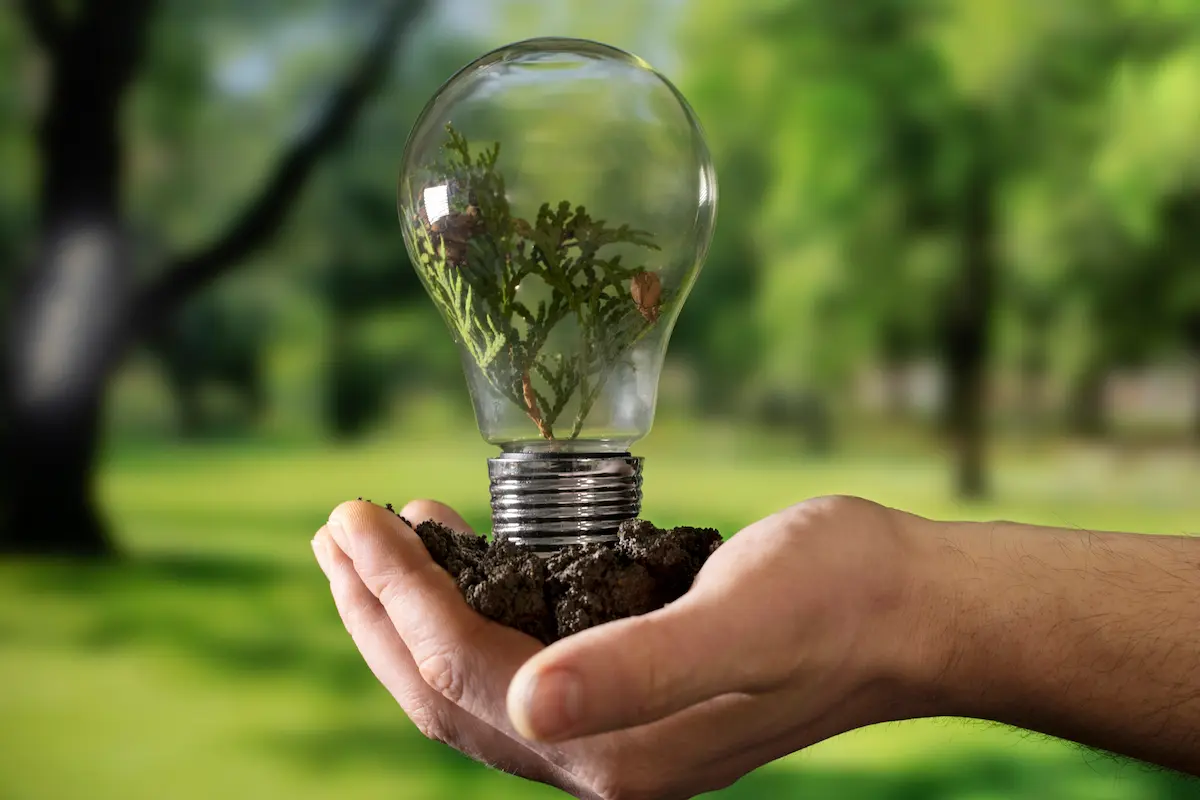
Saving energy at home is not just a matter of saving money (which it is), but of living in a more sustainable and responsible way with the planet. Electricity, heating, appliances or even lighting have a direct impact on your bill and the environment.
Luckily, there are many simple ways to reduce consumption, from making better use of natural light to optimizing the use of electrical appliances, small changes can make a big difference. Here is a practical guide with tips to save energy at home that you can apply starting today.
Lighting to save energy
Natural light and curtains
The first step to saving energy is to make the most of natural light. During the day, open blinds and curtains to let the sun illuminate the rooms. Besides saving electricity, you will gain in well being and warmth.
Choose light and clear curtains, which allow light to pass through without compromising privacy. In winter, you can even open them to let in solar heat and keep your house warmer without turning on the heating.
LED bulbs
If you still use incandescent or halogen bulbs, change them as soon as possible. LED bulbs consume up to 80% less energy and last much longer. Although their initial price is somewhat higher, the medium term savings are evident.
In addition, there are LED bulbs with different color temperatures (white, warm or neutral) to adapt the light to each room. A kitchen can benefit from intense white light, while a bedroom needs a warmer and more relaxing one.
Paint in light colors
It may seem like a decorative detail, but the color of the walls directly influences the amount of light you need. Light and reflective surfaces multiply natural lighting and reduce the need to use artificial lights during the day.
Whites, beige or pastel tones are ideal to make better use of light and give a little spaciousness to your house.
Climate control to save energy
Ideal temperature in winter and summer
- In winter, the recommended temperature is between 19 and 21 ºC. Each extra degree can increase consumption by 7%.
- In summer, keeping the air conditioning between 24 and 26 ºC is enough. It is not necessary to turn the living room into an igloo.
Use programmable thermostats to maintain a constant temperature and avoid consumption peaks. If you are away for several hours, lower it slightly or turn off the equipment. If you already have one, we recommend this article: how to program your digital thermostat.
Good maintenance of air conditioning and heating
Proper maintenance can make a big difference in consumption. Clean the air conditioning filters and bleed the radiators at the beginning of each season.
In addition, if your climate control system is more than 10 years old, consider replacing it with a more efficient one, such as an inverter heat pump or an equipment with an A energy label.
Ventilate the house well
Ventilating is important, so in winter, do it for 10 minutes in the morning to renew the air without cooling the walls or furniture. In summer, take advantage of the first hours of the day or night to cool the house naturally.
If you close blinds and curtains during the hottest hours, you will prevent heat from entering and you will not have to use the air conditioning as much.
How to use your appliances to save energy at home
Appliances represent an important part of household energy consumption. With some conscious habits you can reduce it significantly.
Disconnect appliances that are not in use
Devices in stand by mode (televisions, routers, consoles, computers, etc.) continue to consume energy even if you do not use them. It is estimated that this phantom consumption can represent up to 10% of the total of your electricity bill.
Use power strips with a switch to disconnect them easily or smart plugs that cut off the current automatically.
Use the washing machine and dishwasher with a full load and on low temperature programs
These two appliances consume a lot of electricity and water. To optimize their use:
- Use them only when they are full.
- Prioritize eco or low temperature programs (30 ºC is usually enough).
- Wash with cold water whenever possible.
In addition, if you can program them during off peak hours (if you have a time of use tariff), the savings will be even greater.
Disconnect mobile chargers and devices when reaching 100%
Chargers continue to consume energy even if the device is already charged. Unplugging them when reaching 100% not only saves electricity, but also extends the useful life of the batteries. If you use smart chargers with automatic disconnection or power strips with a timer, you can forget about the plug without worries.
Look at the energy efficiency of your appliances when buying them
When renewing your appliances, pay attention to the energy label. Appliances classified as A can consume up to 50% less than older ones.
It is a smart investment: although their price is higher at the beginning, long term savings and emission reductions more than make up for it.
Refrigerator condition
The refrigerator is one of the appliances that consumes the most energy at home, since it works 24 hours a day. To improve its efficiency:
- Make sure the door closes properly and the seal is in good condition.
- Do not place it next to the oven or in direct sunlight.
- Keep the temperature between 4 and 6ºC and the freezer around 18ºC below zero.
- Defrost the refrigerator periodically, since frost can increase electricity consumption by up to 20%.
Final tips to save energy at home
Beyond appliances, there are other small habits that can help you save energy at home continuously:
- Turn off the lights when leaving a room. It seems obvious, but it is still one of the most common mistakes.
- Insulate doors and windows well. Use weatherstripping or double glazing to prevent heat or cold leaks.
- Use curtains and rugs in winter. They help conserve indoor heat and reduce the need for heating.
- Cook efficiently. Cover pots, take advantage of the residual heat of the oven and use microwaves to heat small portions.
- Control your consumption with smart apps or meters. Knowing your consumption peaks will allow you to adjust habits and discover appliances that spend more than you imagine.
- Put some plants or vegetation on your balcony or patio. Plants not only purify the air, but also help reduce the ambient temperature in summer.
As you can see, saving energy at home does not require you to spend much or anything like that, rather it is about making small changes that have a good impact. With a little planning and awareness, you can reduce your consumption, lower your bills and contribute to a more sustainable planet. Remember: every gesture counts.


