
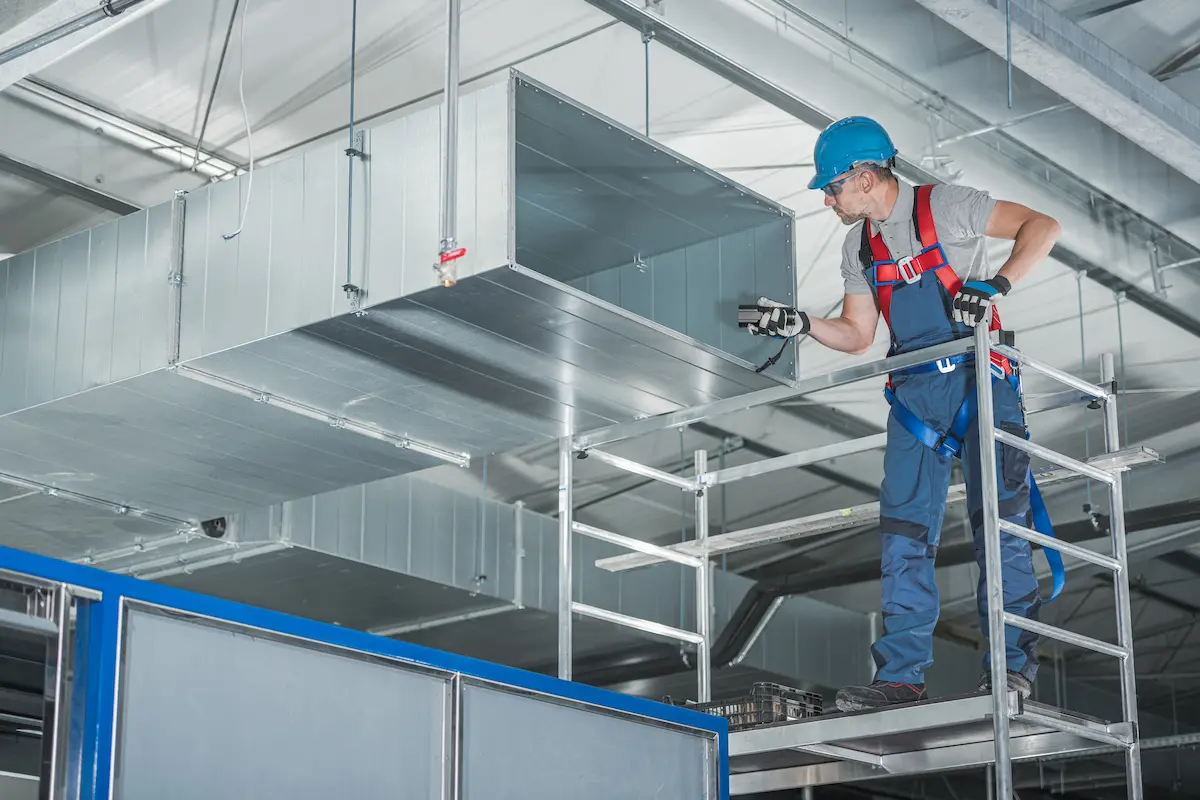
You have probably heard about HVAC systems, especially if you are considering installing this three in one solution in your home. But what exactly is HVAC? What does it do and why is it becoming increasingly common in homes, offices, hospitals and shopping centres?
HVAC stands for Heating, Ventilation and Air Conditioning. It is a climate control technology designed to maintain comfortable indoor temperatures and improve air quality. If you want to learn more, keep reading.
What Is an HVAC System?
The term HVAC comes from the English phrase Heating, Ventilation and Air Conditioning. An HVAC system is a group of technologies designed to regulate the indoor environment of an enclosed space. Its main purpose is to maintain comfort through temperature control while ensuring good air quality throughout the year.
Unlike simpler climate control systems, HVAC integrates heating, cooling and ventilation into a single centralised system. This integration improves energy efficiency and overall performance. HVAC systems are widely used in homes, industrial facilities, hospitals, schools, offices, hotels and, generally, in any building that requires efficient control of temperature, humidity and indoor air quality.
What Does an HVAC System Do?
An HVAC system helps make indoor spaces healthier, more comfortable and more energy efficient. Below are its main functions.
Temperature and Humidity Control
The primary goal of an HVAC system is to maintain a stable and comfortable indoor temperature, regardless of outdoor weather conditions.
It also regulates air humidity levels, which is essential for both health and the preservation of materials, products and electronic equipment. Excess humidity can cause mould growth, while overly dry air can affect the respiratory system and skin.
Improving Indoor Air Quality
Beyond temperature control, HVAC systems filter and renew indoor air. Through ventilation and filtration systems, they remove pollutants, dust, allergens, gases and microorganisms that may negatively affect health.
This makes HVAC systems essential in spaces where air quality is critical, such as hospitals or buildings with limited natural ventilation. A properly maintained HVAC system can reduce the risk of respiratory illnesses and significantly improve overall wellbeing.
How Does an HVAC System Work?
HVAC systems operate through the coordinated combination of three main functions: heating, ventilation and air conditioning. Although each function relies on different technologies, they are all controlled by a central system that regulates temperature, humidity and air circulation.
Heating
Heating systems within HVAC installations can use various energy sources depending on the setup, including:
- Heat pumps
- Gas or biomass boilers
- Electric heating elements
- Underfloor heating systems
Warm air is distributed through ducts or radiators, ensuring consistent temperatures throughout the building. HVAC heating systems are designed to distribute heat evenly and efficiently.
Air Conditioning
HVAC systems also cool indoor air by extracting heat from rooms. This is achieved through a refrigeration cycle that uses refrigerant gases, compressors and condensers.
In addition to lowering temperature, HVAC cooling systems regulate humidity, preventing the uncomfortable feeling of excessive heat during summer. Many systems also include inverter technology, which automatically adjusts power output to improve energy efficiency.
Ventilation
Ventilation is one of the most important and often least visible components of an HVAC system. It refreshes indoor air by removing stale air and introducing clean outdoor air.
Ventilation systems may include HEPA filters, heat recovery systems or ultraviolet air purification technology, depending on the installation requirements.
Proper ventilation ensures continuous air circulation, keeping indoor environments fresh, clean and free from odours or pollutants. This is particularly important in enclosed or high occupancy spaces.
What Is the Difference Between Air Conditioning and HVAC?
Air conditioning is specifically designed to cool air within a particular room or zone. It works by removing heat from indoor air and releasing it outside, creating a cooling effect. Some air conditioning units, known as heat pump air conditioners, can also provide heating, offering additional versatility. However, even in these cases, air conditioning focuses mainly on temperature control and does not directly manage ventilation or air purification. Air conditioning units are also typically easier and cheaper to install.
An HVAC system, on the other hand, is far more comprehensive. It manages the overall indoor climate of a building or home by combining heating, ventilation and air conditioning into a single integrated system. In addition to heating and cooling, HVAC systems filter air, replace stale indoor air with fresh outdoor air and control humidity levels.
The main difference lies in functionality. Air conditioning provides a partial and specific solution, while HVAC offers a complete climate control solution that addresses temperature, air quality, humidity and ventilation simultaneously. There are also differences in installation and cost. Air conditioning systems usually require a lower initial investment and simpler installation. HVAC systems require a larger upfront investment but provide a more advanced, efficient and long term solution.
Why HVAC Systems Are Becoming More Popular
Now that you understand what HVAC is and what it does, it becomes clear that it is much more than a simple air conditioning unit or heating boiler. It is a complete climate management system designed to regulate indoor environments efficiently and safely throughout the year.
Whether installed in a home, office or industrial setting, a well designed HVAC system improves comfort, protects health, optimises energy consumption and enhances indoor air quality.
Investing in HVAC technology not only improves everyday living conditions but also supports long term energy efficiency and sustainability.


