
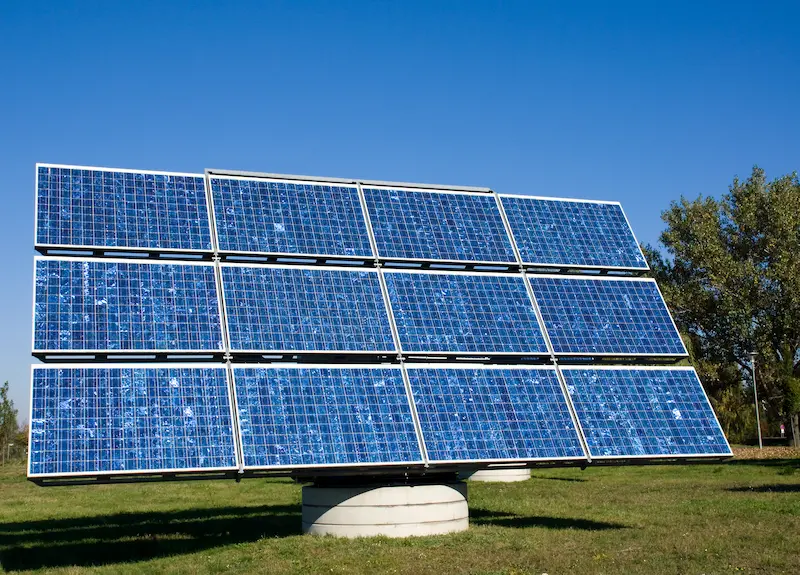
When we talk about renewable energy, we usually picture solar panels under bright sunlight or wind turbines spinning in the breeze. But what happens if we combine the best of both worlds? Hybrid solar energy is an effective solution that integrates multiple energy sources to guarantee a more stable, efficient, and sustainable power supply.
Today, we will explain exactly what this type of energy is, how it is produced, the advantages it offers compared to other options, and the situations where it makes the most sense to use it.
What Is Hybrid Solar Energy?
Hybrid solar energy is a method of generating electricity that combines a photovoltaic solar panel installation with a complementary energy source. This secondary source is usually wind power, diesel generation, or battery storage for surplus energy. The goal is to create a more flexible system capable of covering peak demand or moments when sunlight is unavailable.
This hybrid setup allows electricity generation to continue even when weather conditions are not ideal. That is why it has become one of the leading solutions in remote areas, industrial facilities, and self consumption projects seeking energy independence without relying entirely on the power grid.
How Does Hybrid Solar Energy Work?
Hybrid solar energy operates on the principle of complementarity. When one source cannot generate power, the other takes over.
For example, during the day, solar panels produce electricity. However, if there are clouds, rain, or simply nighttime, the hybrid system activates the secondary energy source, such as a wind turbine, a battery bank, or even a diesel generator, although diesel is now used less frequently due to its environmental impact.
The entire process is managed by a hybrid inverter, which regulates which energy source is active, how energy is stored, and how it is distributed. It is an intelligent system that prioritizes renewable energy sources whenever possible.
How Is Hybrid Energy Created?
Creating a hybrid energy system involves much more than installing solar panels alongside another generator. It requires careful planning and proper integration of each component. The key is ensuring that the different energy sources do not compete with each other but instead work together in a coordinated way to provide a constant, efficient, and clean energy supply.
The process can generally be divided into five main steps:
- Evaluating the energy demand of the location.
- Analyzing available resources such as solar radiation, wind availability, available space, and grid connection.
- Designing a system using energy sources that best complement each other.
- Installing a hybrid inverter to manage the entire operation.
- Configuring an energy storage system if additional autonomy is required, usually through batteries.
Advantages of Hybrid Solar Energy
Hybrid solar energy systems are becoming increasingly popular due to their clear technical, economic, and environmental benefits.
Greater Production Stability
By combining multiple energy sources, hybrid systems provide more consistent energy generation. If solar production decreases, wind power or a complementary generator can maintain supply. Since reliance on the power grid is reduced, power outages and supply interruptions are less likely.
Versatility Across Different Applications
Hybrid energy can be used in residential homes, businesses, agricultural operations, remote facilities, campsites, mobile hospitals, and humanitarian projects. It adapts especially well to areas without traditional electricity infrastructure or situations where real energy independence is required.
More Efficient Land Use
Hybrid systems allow better space optimization. For example, solar panels can be installed on rooftops while wind turbines are placed on nearby land, or a small backup generator can be installed when wind resources are limited. Essentially, multiple energy sources can operate within the same installation area.
Cost Reduction Over Time
Although the initial investment may seem higher, hybrid systems typically reduce operational costs in the medium and long term. By decreasing reliance on the grid or fossil fuels, the cost per kWh becomes more stable and predictable. In addition, technological advances in batteries and power electronics have made hybrid systems more affordable in recent years.
Energy Independence
One of the most significant benefits is the ability to become energy self sufficient. Users no longer need to remain fully connected to the grid or deal with fluctuating electricity bills. This is especially valuable in rural areas or for businesses that want full control over their energy supply.
Faster Return on Investment
By generating your own electricity and reducing fixed energy costs, hybrid systems can pay for themselves within a few years, sometimes in less than five. After that, most of the energy produced represents direct savings.
Disadvantages of Hybrid Solar Systems
High Initial Cost
Although the return on investment can be attractive, hybrid systems usually require a higher upfront investment compared to standard solar installations, especially when high capacity batteries or additional generators are included.
Increased Technical Complexity
Hybrid systems require more complex installation and technical management. If they are not properly designed or sized according to actual energy needs, inefficiencies or unexpected costs may arise.
Maintenance Requirements
Hybrid systems include more components, which means maintenance is more demanding. Solar panels, batteries, inverters, and generators must be inspected periodically, which can increase long term maintenance costs.
Applications of Hybrid Solar Energy
Hybrid solar energy is already being successfully implemented across a wide range of sectors:
- Off grid or rural homes without access to electricity networks.
- Rural hotels and campsites seeking sustainability and energy independence.
- Industrial companies aiming to reduce energy costs.
- Agriculture, such as hybrid solar powered irrigation systems that eliminate reliance on diesel fuel.
- Mobile healthcare centers and humanitarian camps.
- Islands and remote regions with difficult logistical access.
Sustainable Alternatives to Hybrid Energy
While hybrid solar energy is an excellent solution, it is not the only renewable energy option available. Several alternative combinations also offer effective and sustainable results.
Common Combinations
- Solar + Batteries. Ideal for installations that prioritize stability and self consumption without relying on wind energy.
- Solar + Wind Power. One of the most effective combinations in locations with strong solar radiation and consistent wind. It is especially suitable for islands or rural areas.
- Solar + Green Hydrogen. Still under development but with significant future potential as a long term energy storage solution.
- Hybrid Microgrids. Systems that combine multiple energy sources and are managed locally. They can even connect to shared networks between neighbors or community energy projects.
Hybrid solar energy represents a practical, powerful, and realistic solution for those seeking to produce clean electricity. It not only provides stability and efficiency, but it also reduces environmental impact while increasing energy independence. However, it requires careful planning and professional installation to ensure optimal performance and long term reliability.


