
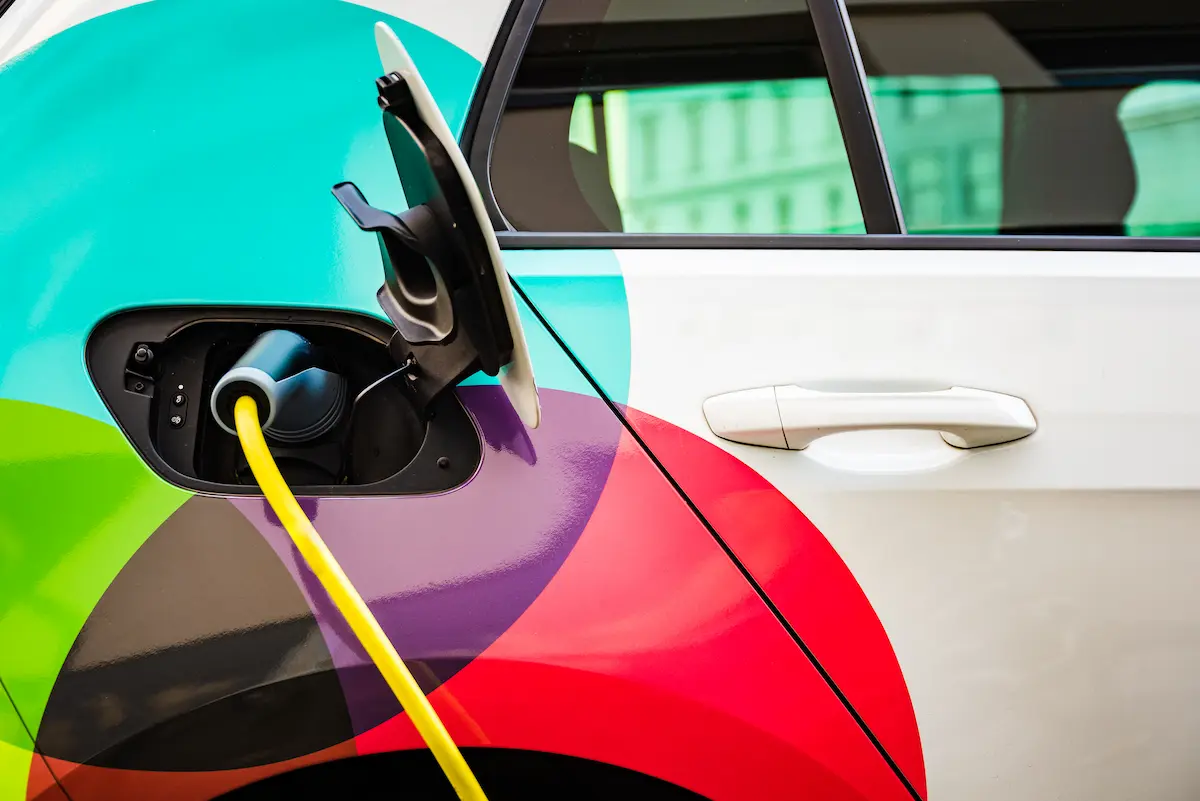
During the first few months, many drivers overlook it. Then suddenly, after checking the electricity bill, they start wondering how to save money when charging their electric car. Although charging an electric vehicle is cheaper than filling up with petrol or diesel, there are still smart ways to reduce EV charging costs even further. Did you know that small decisions, such as scheduling charging at certain times or adjusting your driving style, can help lower your electricity expenses and extend your battery life?
Here is everything you need to know to make charging your electric car more affordable and efficient.
Tips to Save Money When Charging Your Electric Car
1. Know Your Vehicle Range
It may seem obvious, but many drivers forget this. Understanding the real-world range of your electric car allows you to plan charging sessions more effectively and avoid plugging in unnecessarily.
Many EVs offer adjustable driving modes, including an ECO mode, which reduces energy consumption. Using this mode means you will need to charge less frequently and ultimately save more money.
If you clearly know how many miles you can drive on a single charge, you will also know when you truly need to charge and when you can wait for cheaper off-peak electricity rates. Naturally incorporating this habit can significantly reduce your overall EV charging costs.
2. Avoid Fast Charging Whenever Possible
Fast charging is convenient. You plug in, wait a short time, and drive away quickly. However, it is not the most cost-effective option, nor is it ideal for long-term battery health.
First, rapid charging is usually more expensive per kWh. Second, frequent use of rapid chargers can accelerate battery degradation over time.
Whenever possible, charge slowly at home during off-peak hours, typically overnight or at weekends depending on your electricity tariff. Slow charging is cheaper and much healthier for your battery in the long run.
3. Consider Installing Solar Panels
If you live in a detached or semi-detached house and have access to a suitable roof, installing solar panels can significantly reduce the cost of charging your electric car. Although there is an initial investment, in the medium term you can charge your EV using your own solar energy during the day.
If the system is correctly sized, you can even combine it with a home battery to store excess energy and charge overnight. This approach not only reduces the cost of charging your electric car but can also lower your overall household electricity bill. For homeowners looking to reduce long-term EV charging costs, this is one of the most effective strategies.
4. Schedule Your Charging Sessions
Almost all electric vehicles, or their associated mobile apps, allow you to schedule charging times. This is essential if you want to take advantage of off-peak electricity rates. In the UK, off-peak hours are often between midnight and 8 am, although this depends on your specific energy tariff.
Charging during these cheaper periods can reduce costs by up to 50 percent or more compared to daytime rates. For such a simple adjustment, the savings can be significant. If you want to save money charging your electric car, this should be one of your first steps.
5. Plan Your Routes
Knowing where you are going and how far you need to travel allows you to plan charging stops in advance and find the most affordable or even free charging points.
There are several apps that provide real-time pricing, charger availability and even booking options. Using these tools helps you avoid more expensive public charging stations. Careful route planning is especially important if you regularly rely on public charging infrastructure.
6. Improve Your Driving Style
It may not seem directly related, but your driving style has a clear impact on energy consumption and therefore on how often you need to charge. To improve efficiency:
- Check your tyre pressure regularly. Underinflated tyres increase rolling resistance and energy consumption.
- Use climate control moderately. Heating and air conditioning consume significant energy.
- Take advantage of regenerative braking, especially in urban driving or downhill sections. Efficient use of regenerative braking can save up to 15 percent of energy.
A smoother driving style not only reduces charging frequency but also contributes to lower long-term EV charging costs.
7. Keep the Battery Between 20 Percent and 80 Percent
It is not recommended to completely drain your battery, but it is also unnecessary to charge to 100 percent unless you truly need the extra range.
Keeping your battery between 20 percent and 80 percent helps preserve battery health. It also relates directly to the electric vehicle charging curve, where the final 80 to 100 percent stage is much slower and less efficient.
If you charge outside off-peak hours, this final stretch can also be more expensive and unnecessary. If you want to understand this better, you may find it useful to read our article about the electric car charging curve.
Is It Good to Charge Your Electric Car Every Day?
It depends on your usage, but charging every day is not always necessary. If you mainly make short journeys and still have sufficient battery at the end of the day, there is no need to plug in daily. As mentioned earlier, keeping the battery between 20 percent and 80 percent is ideal, and for city driving that is usually more than enough.
Charging every day increases the number of charge cycles, which can contribute to gradual battery wear.
However, if you drive long distances and genuinely need to charge every night, make sure you do so during off-peak hours and use slow charging. The key is to adapt your charging frequency to your real driving needs rather than charging out of habit or range anxiety.
How to Extend the Life of an Electric Car Battery
Extending your battery life is one of the best ways to save money in the long term. Replacing a battery is expensive, and preserving capacity helps maintain vehicle range and resale value.
Here are the best practices:
- Avoid regularly charging to 100 percent unless necessary for long journeys.
- Do not fully drain the battery. Try to keep it above 10 to 15 percent.
- Avoid constant use of rapid charging. Reserve it for long trips or emergencies.
- Charge during off-peak hours, preferably at lower power.
- Park in moderate temperatures places whenever is possible. Extreme cold or heat affects battery performance.
- Keep your vehicle software updated if the manufacturer recommends it, as updates may improve energy management.
- Drive efficiently and use ECO or regenerative modes when available.
By following these tips, you can consistently save money when charging your electric car while protecting your battery and extending the overall lifespan of your vehicle.


