
Electricity, an essential part of our daily lives, allows us to enjoy all the comforts that the 21st century has to offer. But have you ever wondered how the electricity we use at home is generated? Let’s explore the process of how electric power is created, the types of energy sources available, and the types of power plants that generate electricity. KEEP READING!
Process of Electricity Generation
To understand how electricity reaches our homes, we first need to understand how it is generated. Electricity is produced by converting various forms of energy into electrical energy. This process can be complex and varies according to the energy source used, but it generally follows these four steps:
- Generating Energy from Primary Sources. The goal is to convert a primary source (wind, water, sunlight, coal, etc.) into mechanical energy. This mechanical energy is used to power a generator, a machine that converts mechanical energy into electrical energy.
- This can happen in two ways. Most commonly, primary energy is converted into mechanical energy (usually through turbines) and, in a hydroelectric plant, for example, water turns the turbine, which moves a generator to produce electricity. It can happen in other types of plants, but this example uses a turbine for clarity.
- In other instances, primary energy can be converted directly without a mechanical phase. For example, solar panels directly convert sunlight into electricity.
- Transmission of Electricity. Once generated, electricity needs to be transmitted from power plants to where it will be used. This is done through the transmission system, which uses high-voltage lines to move large amounts of electricity over long distances. The reason for this is to minimize energy loss. Along the way, it passes through different substations that can raise or lower the voltage as needed.
- Electricity Distribution. Now it’s the turn of the company responsible for distributing electricity, which carries it from the substations mentioned above to our homes. These companies are responsible for maintaining the system and often own the electricity meters. Just so you know, consumers cannot choose their distribution company, but they can choose their electricity supplier. Interested in learning more about electricity?
- Electricity Commercialization. Once electricity has been generated, transmitted, and distributed, the final step is the commercialization of electric power. This is a KEY step in ensuring that consumers have access to electricity in a regulated and fair-priced manner. Want to reduce your electricity bill? You have two options: choose a government-regulated market, or select a private company that sets its own conditions.
Main Types of Electricity Generation
Now that we understand how electricity is generated, let’s look at the various energy sources that produce it. These sources have two main categories: renewable and non-renewable. Each type of energy source has its own characteristics and methods for converting to electricity.
Renewable Energy Sources
Renewable energy sources are naturally replenished and don’t run out with use. These include:
- Solar energy: Converts sunlight into electricity using solar panels or through solar thermal plants that concentrate sunlight to produce steam, which drives a generator.
- Wind energy: Produced using wind turbines that convert the kinetic energy of the wind into mechanical energy, which is then transformed into electricity.
- Hydropower: Generated by the movement of water in reservoirs and dams, where flowing water drives turbines that generate electricity.
- Biomass: Burns organic materials like wood or agricultural waste to produce heat, which is then converted to electricity.
- Geothermal energy: Uses heat from within the Earth to generate steam that turns turbines and produces electricity.
Non-Renewable Energy Sources
Non-renewable energy sources are available in limited quantities and can be depleted. These include:
- Coal: One of the oldest energy sources. It is burned to produce steam that drives electricity generators.
- Oil: Mainly used in thermoelectric plants, where it is burned to generate electricity.
- Natural gas: Burned to produce heat, which is then converted into electricity. It’s cleaner than coal and oil in terms of emissions.
- Nuclear energy: Uses nuclear fission to generate heat, which is then converted to electricity. Although it doesn’t emit greenhouse gases, it produces radioactive waste that must be carefully managed.
What Types of Power Plants Are There?
In which types of power plants are these renewable and non-renewable energy sources used? Here are the most common types:
- Thermoelectric Plants: Use fossil fuels like coal, oil, or natural gas to heat water and produce steam, which drives turbines that generate electricity.
- Hydroelectric Plants: Harness the energy of moving water, usually through the use of dams, to generate electricity.
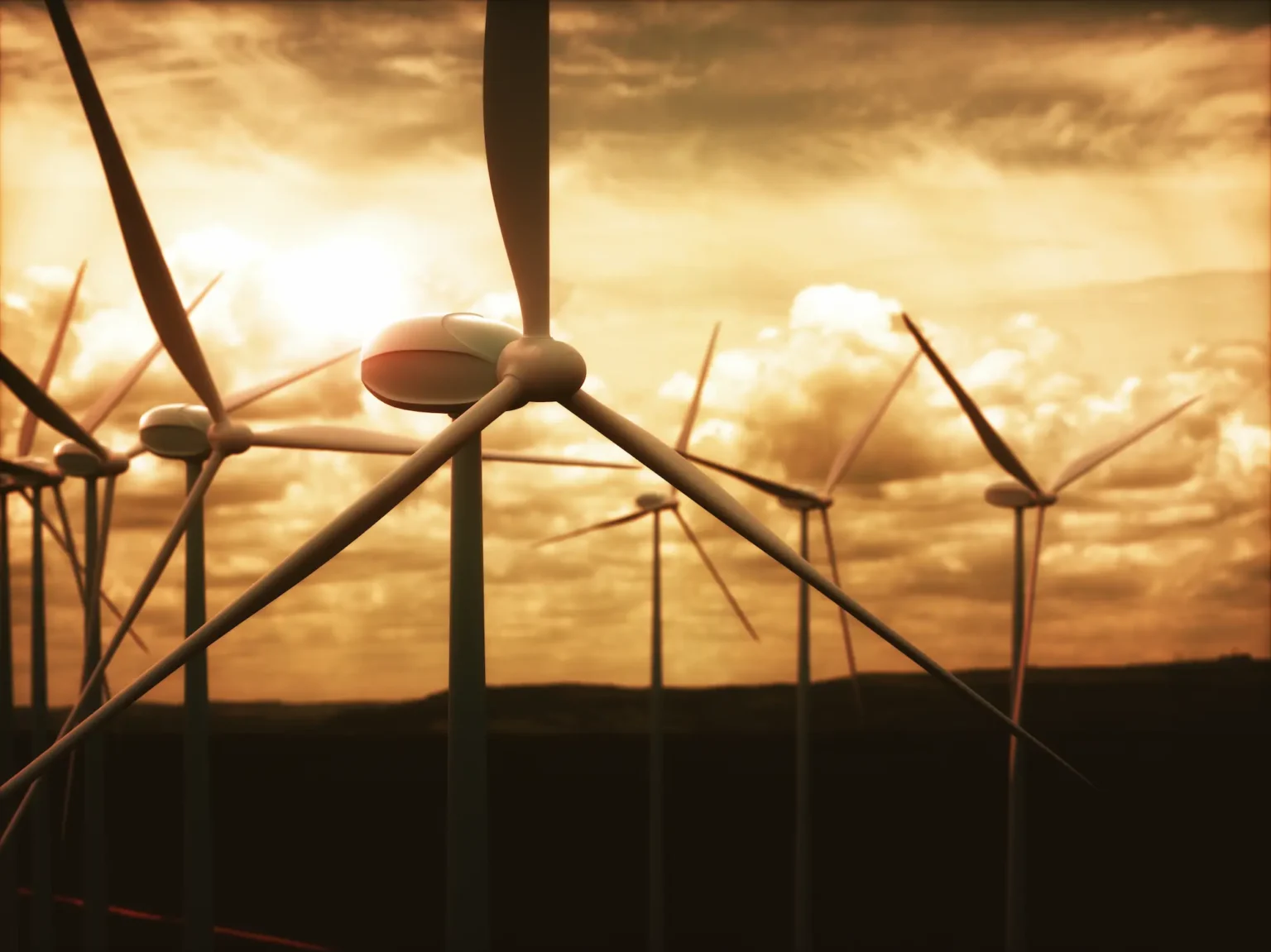
- Wind Farms: Made up of numerous wind turbines that convert the wind’s kinetic energy into electricity.
- Solar Power Plants: These can be photovoltaic plants, which directly convert sunlight into electricity, or solar thermal plants, which use sunlight to produce heat that is then converted into electricity.
- Nuclear Power Plants: Use the energy released by the fission of uranium or plutonium atoms to produce heat and, ultimately, electricity.
- Biomass Plants: Burn organic material to produce heat, which is then converted into electricity.
- Geothermal Plants: Take advantage of the heat from beneath the Earth’s surface to generate steam, which turns turbines and produces electricity.
How to Generate Electricity at Home?
After learning all this, are you interested in generating electricity at home? Don’t worry; we’ll give you an overview.
Depending on the energy source you want to use, you can choose from several systems to generate electricity at home. Here are four options:
- Biomass Generator: As we’ve seen, you can generate electricity in several ways through combustion that produces heat. Wood, pellets, organic waste… these materials can be used to power the generator. This process produces steam to drive the turbine and can also serve as heating!
- Solar Panels: If you’re wondering how to generate electricity at home, a solar panel installation is one of the best options. Install them on the roof or ground; they capture solar radiation and convert it into electricity.
- Fuel Generator: Standard generators powered by gasoline, diesel, or natural gas. Essentially, they work with a motor that converts mechanical energy into electricity. It’s not the best option, as it produces considerable pollution.
- Wind Turbines: Use the wind to convert it into electrical energy. It’s better than fuel but less ideal than the other two, as it requires a location with strong, consistent winds and necessary permits.
Are There Other Ways to Generate Electricity?
We now know how electricity is generated, but are there other ways to produce it aside from these “traditional” methods? Absolutely! Here are four of them:
- Wave and Tidal Energy: Utilize the kinetic energy of ocean and sea movement to generate electricity.
- Piezoelectricity: Uses piezoelectric materials that generate electricity when subjected to mechanical pressure. It can be applied in areas such as shoe soles that generate electricity as you walk.
- Hydrogen Energy: Although it has a long way to go to become a viable energy source, it promises to be a clean and abundant source of electricity. Hydrogen fuel cells combine hydrogen and oxygen to produce electricity, with water as the only byproduct, making it very eco-friendly.
- Osmosis: Also known as blue energy, it’s generated by leveraging the difference in salt concentration between seawater and freshwater.
Are you interested in green energy to produce your own electricity, reduce pollution, and save on your electricity bill?


