
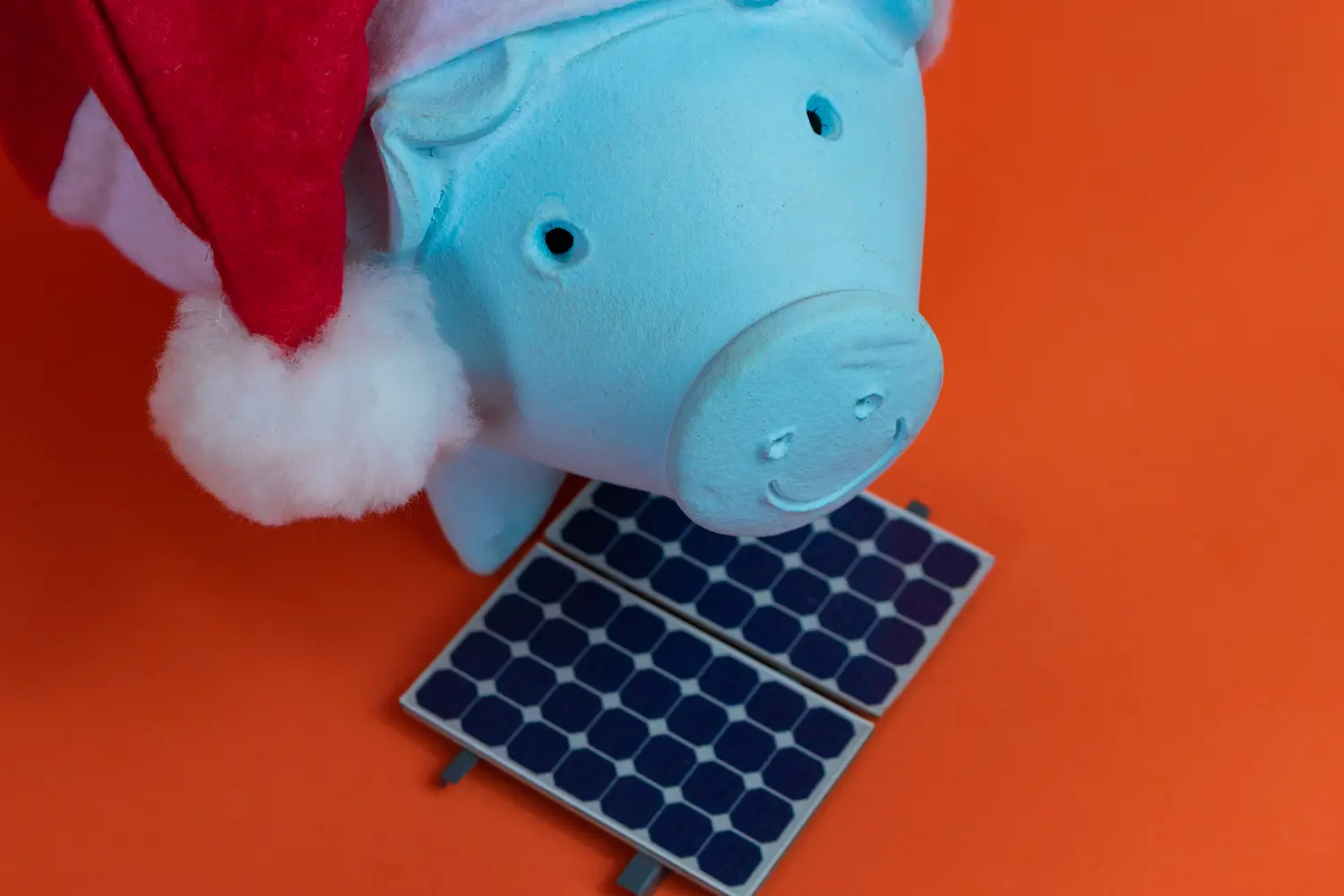
Introduction to solar panels and energy saving
Solar energy has become an attractive alternative to traditional sources of electricity, allowing not only greater energy independence, but also significant long-term savings. Thanks to the possibility of capturing energy directly from the sun, solar panels represent a sustainable solution that reduces the electricity bill and minimizes the environmental impact. In this article, we will explore how much you can save with solar panels and how to calculate the financial impact of this investment.
What does saving with solar panels implies?
Solar panels make it possible to reduce dependence on the electrical grid, producing electricity for self-consumption. By using the energy generated directly by the solar system, the amount of the electricity bill decreases, especially during times of high demand. This savings can vary depending on different factors, but in general, the greater the generation capacity, the greater the reduction in energy expenses.
Factors that affect savings with solar panels
Average electricity consumption of a home
The electricity consumption of an average home varies depending on the size of the home and the appliances used. On average, a home can consume between 250 and 800 kWh per month. The higher the consumption, the more significant the reduction in the bill will be by implementing the right solar system.
Geographic location and solar radiation
The amount of solar radiation that a region receives directly influences the efficiency of a solar system. In areas with high radiation, such as southern Spain, solar panels can produce more energy compared to less sunny areas, maximizing savings.
Size and efficiency of solar installation
The number of solar panels and the efficiency of each panel play a key role in the total savings. A larger system will cover more energy needs, allowing for greater independence from the grid and, therefore, greater savings.
Cost of electricity in your area or city
Electricity bills can vary significantly between different regions. In areas where the price of electricity is high, savings that come from solar panels will be greater compared to areas with lower rates.
How much does solar energy save on average?
Basic calculation of savings with solar panels
A typical solar panel system for an average household can generate savings ranging from 50% to 90% of the monthly electricity bill. These percentages depend on the size of the system, solar radiation, and consumption habits. In the long term, these savings can translate into thousands of euros, justifying the initial investment.
Examples of savings in different scenarios
For example, a household consuming 600 kWh per month and installing a 3-4 kW solar system could save between 600 and 800 euros annually, depending on the local electricity price and the amount of sunlight received. In areas with higher electricity rates, the annual savings could exceed 1,000 euros.
Tools for calculating savings with solar panels
Online calculators
There are online calculators that allow users to estimate the savings generated by a solar panel system. These tools take into account the system’s size, location, and energy consumption to provide a personalized calculation. Among the most popular options are calculators from solar energy companies and government energy efficiency platforms.
Solar monitoring applications
Monitoring applications allow users to track the real-time performance of their solar panels. Thanks to these systems, users can visualize the savings generated, optimize their consumption, and obtain detailed statistics on the financial impact of their investment.
Return on investment in solar panels (ROI)
Estimated payback period
The return on investment of a solar system depends on the initial cost and the monthly savings generated. On average, the payback period can range from 5 to 10 years, but in areas with high electricity rates and good solar radiation, this time can be significantly reduced.
Impact of tax incentives and subsidies
In many countries, there are incentives and subsidy programs that help reduce the cost of installing solar systems, shortening the time needed to recover the investment. These incentives can include tax discounts, green loans, and specific grants for renewable energy installations.
Long-term savings and increased property value
Added value to the home
The installation of a solar system can increase the value of a property, as energy savings and self-sufficiency are highly valued characteristics in the real estate market.
Reduced maintenance costs
Solar systems require minimal maintenance, which helps preserve economic savings over time. With regular inspections and panel cleaning, the system can operate optimally for up to 25 years.
Frequently asked questions about savings with solar panels
Is it possible to save anywhere?
Yes, although the amount of savings varies depending on the solar radiation in each region. Sunny areas generate greater savings.
How much does it cost to install a solar system?
The cost depends on the system’s size and the technology used, but financing options and subsidies are available.
What happens to savings on cloudy days?
Solar panels can still produce energy on cloudy days, although at a lower level.
Is it necessary to hire an expert to install solar panels?
Yes, to ensure efficiency and the correct functioning of the system.
How long do solar panels last?
Solar panels have a lifespan of 25 to 30 years and require little maintenance.
Conclusion: Is it worth investing in solar panels to save money?
Investing in solar panels is a profitable and eco-friendly long-term option. Although the initial investment may be significant, the monthly savings and additional benefits make this system one of the best alternatives for reducing energy costs and contributing to the planet’s well-being.


