
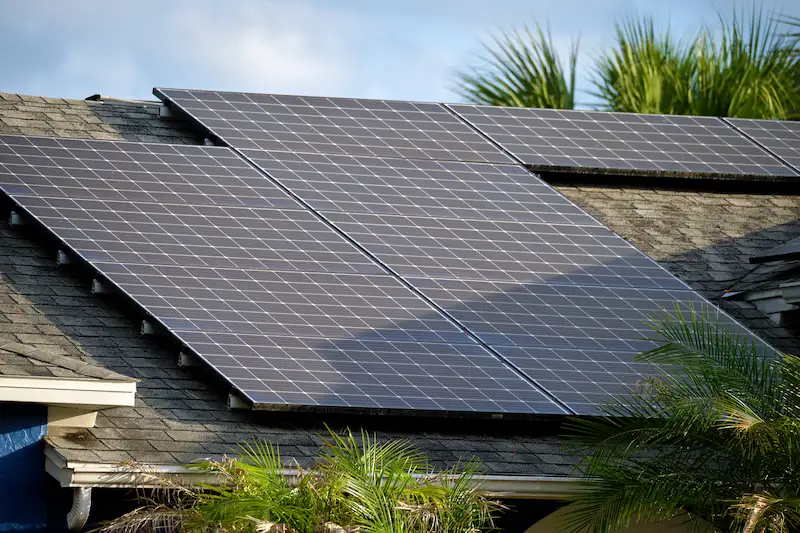
Photovoltaic self-consumption allows you, or anyone else, to produce your own renewable energy for personal use. This is achieved by installing photovoltaic solar panels. Essentially, a large portion of the energy you consume is generated by these panels, resulting in significant direct savings on your electricity bill.
Additionally, self-consumption reduces your reliance on conventional energy sources, which leads to a smaller environmental impact. In this context, as the demand for renewable energy continues to grow, it’s essential that everyone understands what photovoltaic self-consumption is, how it works, and its current importance. Let’s dive in!
What is Photovoltaic Self-Consumption?
Self-consumption refers to producing your own electricity for personal use, whether at home or in a business. When we talk about photovoltaic self-consumption, this electricity is generated through solar panels.
Moving toward a more sustainable society that relies on green energy is becoming increasingly common, reducing the need to exploit non-renewable energy sources like coal. For a deeper understanding of this topic, you might be interested in learning about the differences between renewable and non-renewable energy sources.
Self-Consumption Without Surplus vs. With Surplus
Setting aside systems that are not connected to an electrical grid, there are two main types of photovoltaic self-consumption: without surplus and with surplus. You might also be interested in connected vs. isolated photovoltaic installations.
- Self-Consumption Without Surplus: In this setup, the photovoltaic installation is designed so that all the energy produced is consumed directly, without generating surplus. This means the system has a device that prevents excess electricity from being fed back into the grid. This option works best if you want to utilize all generated energy in real time, without needing to interact with the electrical grid.
- Self-Consumption With Surplus: In this case, if the installation generates more energy than is consumed, the surplus can be fed back into the electrical grid. Depending on the agreement you have in place, or the country you’re in, you may receive financial compensation or energy credits for the surplus energy you contribute, potentially reducing your electricity bill even further.
Each option has its advantages; it all depends on your needs, the size of your home or business, and local regulations. While self-consumption without surplus provides complete independence from the grid, self-consumption with surplus offers more flexibility and could even provide extra income.
What to Do if You Have a Surplus of Energy
If you opt for a self-consumption system with surplus energy, there are several ways to manage it:
- Financial Compensation: Many areas have implemented compensation systems where users receive a payment or discount on their electricity bill for feeding surplus energy into the grid. Known as simplified compensation, this model is an attractive option for users who want to maximize the value of their solar energy investment.
- Battery Storage: Another option is to use storage systems, such as solar batteries. These allow you to store surplus energy to use when photovoltaic production is insufficient, like at night or on cloudy days. It’s an additional investment to increase energy autonomy.
- Direct Energy Sale: In some markets, owners of photovoltaic self-consumption installations can sell their surplus energy directly to third parties, such as green energy suppliers. This option typically requires more paperwork and contractual agreements but can generate significant additional income if managed properly.
- Donation to the Grid: In certain cases, surplus energy is simply injected into the grid without any financial compensation. This doesn’t generate income, but it contributes to the stability and balance of the electrical system, helping supply other users with clean, renewable energy.
Our recommendation is to minimize any possible surplus, as it may not yet be the most profitable option for customers. However, some companies may be willing to purchase your surplus at market rates.
How Does Photovoltaic Self-Consumption Work?
Now that we know what photovoltaic self-consumption is, let’s see how it works. It’s a fairly simple yet efficient process that converts solar energy into electricity. To make it even clearer, let’s break it down by each component of the system:
- Solar Panels: Made up of solar cells that convert sunlight into electricity. This process, known as the photovoltaic effect, generates direct current (DC). The amount of energy produced depends on factors such as panel orientation, tilt, weather conditions, and geographic location.
- Inverter: Although the generated electricity is direct current, household appliances and other devices run on alternating current. The inverter converts DC to AC. Some inverters are specifically designed for this purpose and even allow you to manage surplus energy or control interaction with the grid.
- Monitoring System: This allows real-time monitoring of energy production, consumption, and, if applicable, surplus. It’s very useful for optimizing energy use, adjusting consumption to match real production.
- Connection to the Grid: For self-consumption with surplus, the system is connected to the electrical grid. When more energy is produced than consumed, the surplus is fed into the grid for use by other consumers.
- Energy Storage: If you have a battery system, surplus energy is stored for later use, such as during non-sunny hours.
The Importance of Self-Consumption today
As we transition towards a more sustainable and decentralized energy model, photovoltaic self-consumption is becoming increasingly important. Considering our reliance on fossil fuels, let’s take a look at some of the benefits of photovoltaic self-consumption and why it’s so important.
- Lower CO₂ Emissions: Self-consumption significantly reduces greenhouse gas emissions, contributing to the fight against climate change.
- Economic Savings: Although it requires an initial investment, self-consumption results in long-term savings on electricity bills, which can be substantial. Additionally, subsidies and grants are often available for this type of installation.
- Energy Independence: Generating your own electricity through solar panels provides greater independence from fluctuations in the electricity market and potential increases in energy prices.
- Contributes to Electrical Grid Stability: By generating distributed electricity, self-consumption systems contribute to grid stability, especially during peak demand periods or in areas where the grid infrastructure is less robust.
To sum up, photovoltaic self-consumption not only represents a viable and profitable alternative for those looking to reduce their electricity bills, but it’s also a key component in building a cleaner and more sustainable energy future. From reducing carbon emissions to its role in stabilizing the electrical grid, self-consumption is one of the best renewable energy sources available today.


