
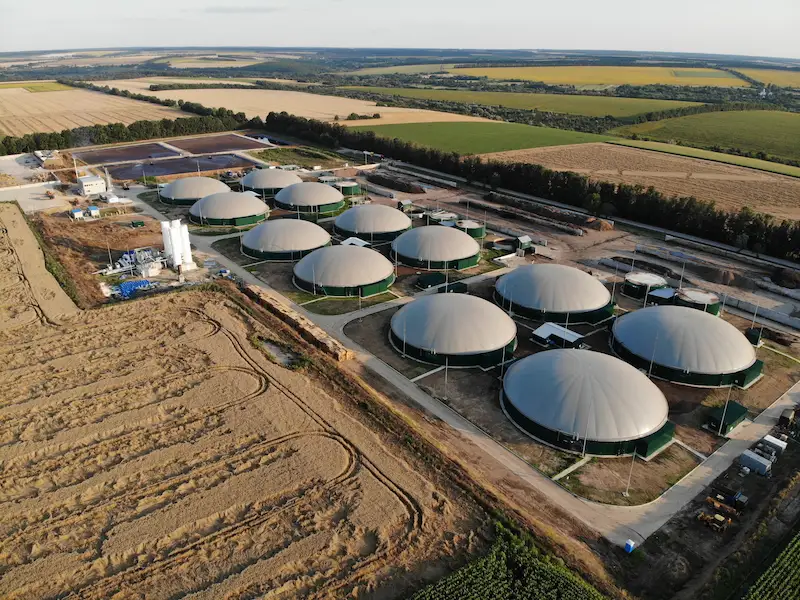
Biomass isn’t a word we hear every day. Still, it’s a more commonly used energy source than it seems, as it’s a sustainable way to generate electricity. It presents a promising solution among all renewable energy sources, both economically and environmentally. But what exactly is biomass? How does it actually work? What are the advantages and disadvantages of using biomass as an energy source? Today, we’re going to answer all of this. Keep reading!
What is biomass?
Before explaining how biomass works, it’s important to understand what it is.
Biomass is energy obtained from the combustion of organic matter. And where does this organic matter come from? What’s used? It’s derived from waste from everyday biological processes. For example: agricultural waste, nutshells, tree pruning remnants, wood scraps (like pellets), and even animal manure.
Biomass is a more affordable and sustainable way to produce energy, as its combustion releases far fewer emissions. Additionally, it helps keep forests clean, preventing unnecessary fires. Due to how it’s sourced, all types of biomass can be used to meet various needs, from heating and electricity to fuel.
Types of biomass
Since biomass can be sourced in so many ways, there are also three main types:
- Solid biomass: Wood, agricultural waste, straw, and similar materials. This type of biomass is commonly used for generating heat and electricity through combustion.
- Liquid biomass: Liquid biofuels like bioethanol and biodiesel, obtained from energy crops like corn, sugarcane, or palm oil.
- Biogas: Produced through the anaerobic decomposition of organic matter, such as food waste or manure. Biogas is a mixture of methane and carbon dioxide that can be used as an energy source.
How does biomass energy works?
There are several ways to obtain biomass energy, but here are the most common:
The simplest and most traditional way to use biomass to generate energy is direct combustion. This method burns organic material to produce heat, which is then used to generate steam and drive a turbine to produce electricity. This process is similar to coal-based power plants but with the benefit of being a renewable and less polluting energy source.
Another process is gasification, in which biomass is converted into gas by applying heat with a controlled amount of oxygen. This synthesis gas, or syngas, is used to generate electricity or as a raw material for producing chemicals and liquid fuels.
Pyrolysis is a thermal process where biomass breaks down in the absence of oxygen to produce charcoal, bio-oil, and gases. These products can be used as fuels or for energy production.
There’s also fermentation, a biological process where biomass is converted into liquid biofuels like bioethanol, often using crops like corn or sugarcane.
Advantages of Biomass Energy
Now that you know how biomass works in its different forms, here are some key advantages:
- It contributes to forest maintenance and recycling of organic waste.
- Biomass is a renewable, clean energy source. It can be renewed through natural and agricultural processes within a relatively short time. If you’re interested in this, check out: Differences between renewable and non-renewable energy sources.
- Although biomass combustion releases carbon dioxide, the CO₂ released was initially captured from the atmosphere by plants during growth. Therefore, biomass is considered carbon-neutral, as long as it’s managed sustainably.
- It diversifies the energy matrix, reducing dependence on fossil fuels.
- It’s affordable, profitable, and supports the circular economy.
Disadvantages of Biomass
Using biomass also has some disadvantages:
- It requires large areas for production and storage.
- It has lower efficiency compared to other energy sources.
- Biomass production can compete with food production, raising the prices of certain foods.
- Burning organic material can emit pollutants, such as nitrogen oxides, carbon monoxide, and some volatile organic compounds.
Importance of Biomass and Conclusion
After exploring how biomass works and its benefits, it’s clear that this energy source could play a significant role in both current and future societies. Its ability to utilize waste and its renewable nature make it one of the best options for addressing current challenges like climate change. But what exactly makes biomass so important? In addition to the advantages already mentioned, there are other benefits:
- Biomass is a key component of the circular economy, as it enables waste reuse and the production of value-added products like biofuels and chemicals.
- Developing advanced biomass processing technologies, like gasification and fermentation, opens up opportunities for innovation and new industries.
- As a renewable, carbon-neutral energy source, biomass has the potential to significantly reduce greenhouse gas emissions.
To sum up, biomass is a renewable energy source with substantial potential for a more sustainable future. Although there are still challenges to address, biomass offers many advantages, making it a noteworthy energy source. By better understanding how biomass works and its implications, we can make more informed decisions about its role in the global energy matrix.


