
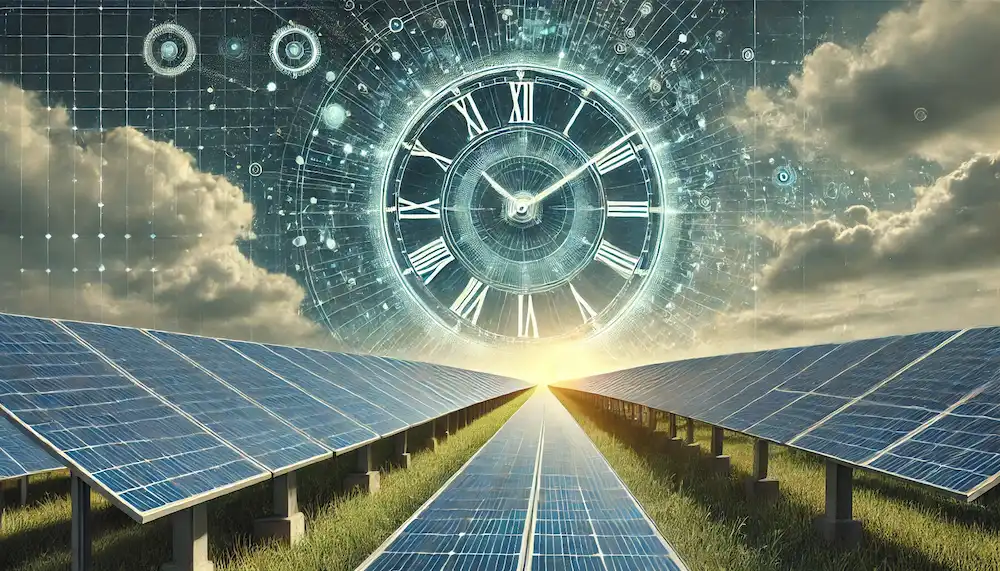
Solar panels represent a significant investment, so understanding their lifespan and how to maximise their longevity is key to optimising both energy performance and profitability. In this article, we will explore how long solar panels last, the factors that affect their longevity, and how to extend their lifespan.
Lifespan of Solar Panels: Key Determining Factors
Solar panels are designed to have a long lifespan, but this can vary depending on several factors. Understanding these aspects will help you maximise the durability of your solar installation.
Materials and Quality of Solar Panels
The quality of the materials used in the manufacture of solar panels directly affects their lifespan. Panels made with high-quality materials, such as monocrystalline silicon, tend to have superior durability and greater resistance to environmental factors.
Manufacturers and Warranties Offered
Choosing a reputable manufacturer with good warranties is crucial. Trusted manufacturers offer performance guarantees that can range from 20 to 30 years, ensuring the panels maintain acceptable efficiency over time.
Climate Conditions and Their Impact on Lifespan
Local climate also impacts the durability of panels. Regions with high solar incidence can increase energy production but may also wear materials faster. Extreme conditions like hail, snow, or strong winds can damage panels if proper precautions are not taken.
Proper Maintenance to Extend Lifespan
Regular maintenance, including cleaning and inspection of critical components, is essential to prolong the lifespan of solar panels. Keeping an installation clean and free from dust and debris will ensure the panels operate at maximum efficiency.

How Many Years Do Solar Panels Actually Last?
Although most manufacturers offer a performance guarantee, the actual lifespan of solar panels can depend on various factors.
Average Lifespan of Solar Panels on the Market
Solar panels typically last between 25 and 30 years, although they often continue producing energy beyond that time, albeit with reduced efficiency.
Differences Between Productive Lifespan and Total Lifespan
The productive lifespan refers to the period during which the panels maintain efficiency above 80%. After this period, efficiency may drop, but the panels will continue to generate energy for many more years.
What Happens When Efficiency Drops?
When efficiency drops below the acceptable threshold, you may need to replace or upgrade your panels, especially if energy production no longer meets your needs.
Which Components of Solar Panels Wear Out the Most?
Each component of a solar system has a specific lifespan, and some are more prone to wear and tear than others.
Photovoltaic Panels: Critical Internal Components
The panels themselves are designed to last many years, but factors such as microcracks in the solar cells can impact efficiency over time.
Solar Inverter: A Key Element in Efficiency
The solar inverter, which converts the direct current generated by the panels into alternating current for use, typically has a shorter lifespan than the panels, averaging 10 to 15 years.
Structure and Mounting: Importance of Professional Installation
The structure supporting the panels is crucial to their durability. Professional and high-quality installation ensures that the panels are securely mounted and aligned, withstanding weather conditions better.

Maintenance Needed to Prolong the Lifespan of Solar Panels
Proper maintenance is key to ensuring solar panels last as long as possible.
Periodic Cleaning and Inspection of Connections
Regular cleaning to remove dust, debris, and dirt from the panels’ surface will help maintain their efficiency.
Inspection of the Solar Inverter and Other Electrical Components
It is crucial to inspect the inverter and electrical connections periodically to detect potential failures or wear.
Tips to Avoid Common Problems and Increase Solar Panel Lifespan
- Conduct visual inspections regularly.
- Hire a professional for a comprehensive annual inspection.
- Keep nearby vegetation under control to avoid shading on the panels.
Simple Recommendations to Keep Solar Panels in Optimal Condition:
- Clean the panels at least twice a year.
- Check electrical connections.
- Hire an annual professional inspection.
- Keep the installation free of shading.
Warranties and Certifications: What You Need to Know Before Installing
Understanding warranties and certifications is crucial before purchasing a solar system.
Standard Manufacturer Warranties
Most manufacturers offer two types of warranties: one for the product (covering manufacturing defects) and one for performance, guaranteeing a minimum efficiency over a set period.
Certifications That Guarantee Quality
International certifications, such as IEC or TUV, ensure that panels meet quality and safety standards.
When Is It Necessary to Replace Solar Panels?
Generally, panels are replaced when efficiency drops significantly, or when technological advancements justify an upgrade to take advantage of improved performance.
Is It Worth Replacing Solar Panels at the End of Their Lifespan?
Replacing solar panels is an important decision, and it is crucial to analyse whether the cost is justified by long-term energy benefits.
Replacement Costs vs Energy Savings
New panels are often more efficient, which can translate into greater savings on electricity bills and increased energy production.
When Is the Best Time to Upgrade Solar Panels?
The best time to upgrade is when efficiency drops significantly, and energy costs begin to outweigh the savings generated.
What to Do with Old Solar Panels? Sustainable Options
Recycling and reuse are key options for managing solar panels at the end of their lifespan.
List of Ways to Recycle or Reuse Solar Panels:
- Recycling materials such as glass, aluminium, and silicon cells.
- Reusing them in smaller-scale projects.
- Donating to organisations that accept second-hand panels.
FAQ: Frequently Asked Questions About Solar Panel Lifespan
How Many Years Can Solar Panels Last?
Solar panels typically last between 25 and 30 years, although they can continue producing energy after this period with reduced efficiency.
What Factors Affect the Lifespan of Solar Panels?
Material quality, climate conditions, maintenance, and professional installation are determining factors.
How Can I Extend the Lifespan of My Solar Panels?
Regular maintenance, avoiding shading, and conducting periodic inspections are key to prolonging their lifespan.
What Maintenance Do Solar Panels Require?
Solar panels require periodic cleaning, inspection of electrical connections, and maintenance of the inverter.
What Should I Do If My Solar Panels Start Losing Efficiency?
Consider replacing the panels if efficiency drops significantly or upgrading them to more modern and efficient models.
Conclusion
Solar panels are a long-term investment that not only helps reduce electricity bills but also contributes to a more sustainable future. With a lifespan that can exceed three decades, proper care and the selection of quality materials play an essential role in maximising their performance. Through regular maintenance and considering factors like warranties and certifications, it is possible to extend the efficiency of solar panels, ensuring an optimal return on the initial investment. Furthermore, when the time comes to replace them, sustainable options for recycling and reuse maintain the commitment to the environment. Thus, knowing and caring for each component of your solar system will allow you to enjoy its energy benefits for many years and make the most of this renewable energy source.


