
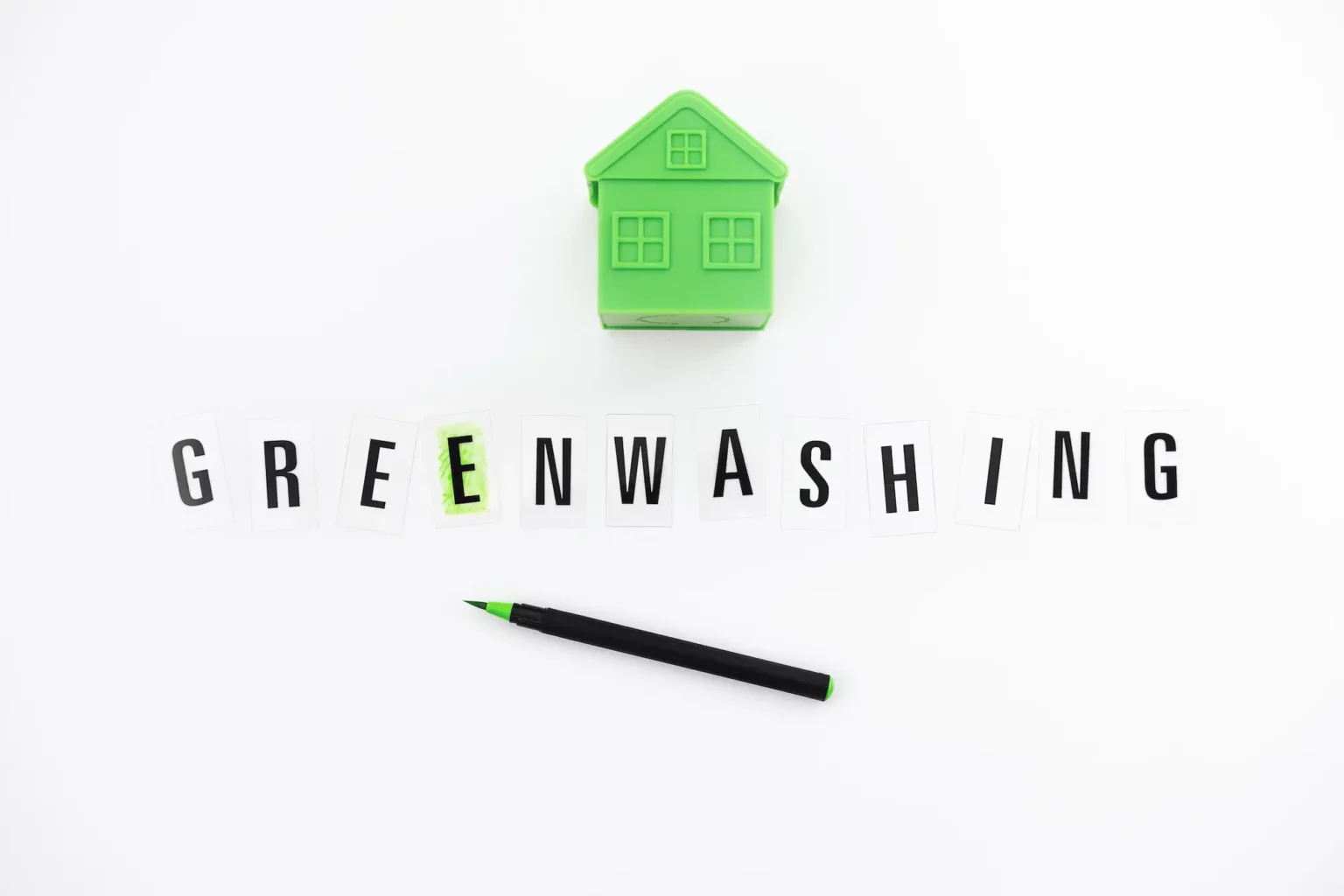
Today, sustainability and environmental care are rightly considered essential issues. More and more people and companies are becoming aware of the importance of protecting our planet. However, this growing demand for eco-friendly practices has led to a problematic practice known as greenwashing. Today, we’ll explore what greenwashing is, look at some examples of companies that have engaged in it, and discuss the impact it has created.
What does greenwashing mean?
The term greenwashing combines two words: green and washing. When we talk about greenwashing, we’re referring to marketing strategies used by certain companies to look like they are sustainable and eco-friendly when, in reality, they are not. The goal of greenwashing is to deceive consumers into believing they are supporting environmentally responsible practices when, in fact, the company may be contributing to environmental degradation.
The Origin of the Term
The term “greenwashing” was created in the 80s by environmentalist Jay Westerveld. It became popular as more companies began to realize they could increase profits by making consumers believe they were sustainable, without actually adopting any eco-friendly practices. In other words, they began to take advantage of the public’s growing interest in sustainability.
Common Examples of Greenwashing
- Labels with false or misleading information: Using vague terms like “natural,” “eco-friendly,” or “green” without providing any proof of sustainability.
- False advertising: Publishing ads that highlight a small positive aspect of the product while ignoring larger negative environmental impacts.
- Dubious quality certifications: Obtaining sustainability certifications from organizations that are not independent or that have low standards.
Companies that used Greenwashing in the past
Many companies have been accused of practicing greenwashing, often with severe consequences for their reputation. Identifying these companies is crucial in the fight against this practice, as it encourages consumers to make informed purchasing decisions. Let’s look at a few examples of companies that have engaged in greenwashing.
- Volkswagen: The 2015 emissions scandal is one of the most notorious examples of greenwashing. Volkswagen marketed its diesel vehicles as eco-friendly while manipulating emissions tests to hide the true level of pollution.
- Nestlé: This multinational has faced criticism for its sustainability claims, particularly concerning water usage and plastic production. The company was also responsible for major issues in Africa, where it distributed artificial baby formula, resulting in severe health problems for newborns.
- Coca-Cola: “World Without Waste” campaign. In 2018, Coca-Cola launched the “World Without Waste” initiative, promising to collect and recycle 100% of its packaging by 2030. Although this sounds impressive, critics argue that the company remains one of the world’s largest producers of plastic waste. In fact, Coca-Cola was identified as the most polluting brand in global plastic audits conducted by the organization Break Free From Plastic.
How to Detect Greenwashing
It’s essential for consumers to learn how to identify greenwashing to make more informed choices and genuinely support companies committed to sustainability.
- Lack of transparency: If a company does not provide verifiable and detailed data on its sustainable practices, this may be a sign of greenwashing.
- Focus on just one part of the product’s life cycle: Highlighting only one phase of the product life cycle, such as packaging, while ignoring other equally important stages like production and transportation.
- Dubious certifications that are not internationally recognized.
- Your own research as a consumer. You can search online for tools and resources from organizations to investigate companies’ sustainable practices a bit more.
- How to avoid it? Look for products with certifications from well-known organizations, such as Fair Trade, USDA Organic, or LEED.
What Are the Consequences of Greenwashing?
Greenwashing, of course, has consequences, not only for the environment but also for companies and consumers.
Consumer
- Deception and misinformation: Consumers who want to support sustainable practices may be misled, ending up supporting companies that are not truly eco-friendly.
- Loss of trust: Discovering greenwashing practices can lead to a general loss of trust in companies’ environmental claims, making it harder to identify truly sustainable products.
- The worst consequence: environmental impact. Supporting a company that engages in greenwashing, even unknowingly, only contributes to ongoing environmental harm. Essentially, as long as they deceive us, they’ll continue harmful practices that benefit no one.
Company
- Fines and penalties. Engaging in false and misleading advertising? You’ll face the appropriate consequences.
- Loss of customers. Naturally, the loss of consumer trust translates into lower sales. The direct, and expected, outcome is that customers will stop buying your products/services if they no longer feel they can trust you.
- Brand damage: All this translates into damage to your brand that can be irreversible.
Want to contribute to a sustainable world and reduce your carbon footprint? You can always install solar panels in your home or business. As specialists, feel free to contact us.


